Close
All Filters
Filter by
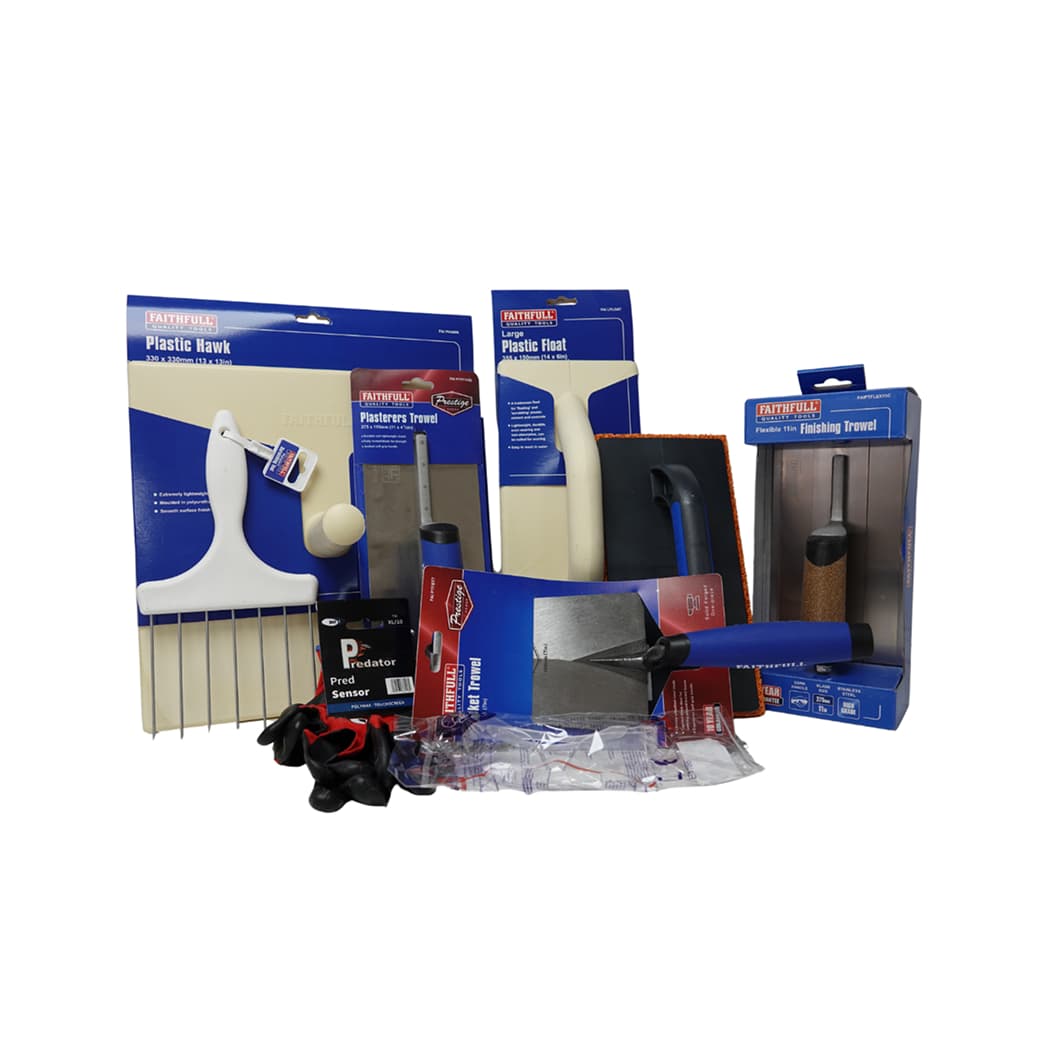
Pro Plastering Tool Kit
Everything a professional plasterer needs for high-quality, reliable results.

Starter Plastering Tool Kit
Everything you need to start plastering with confidence and professional results.
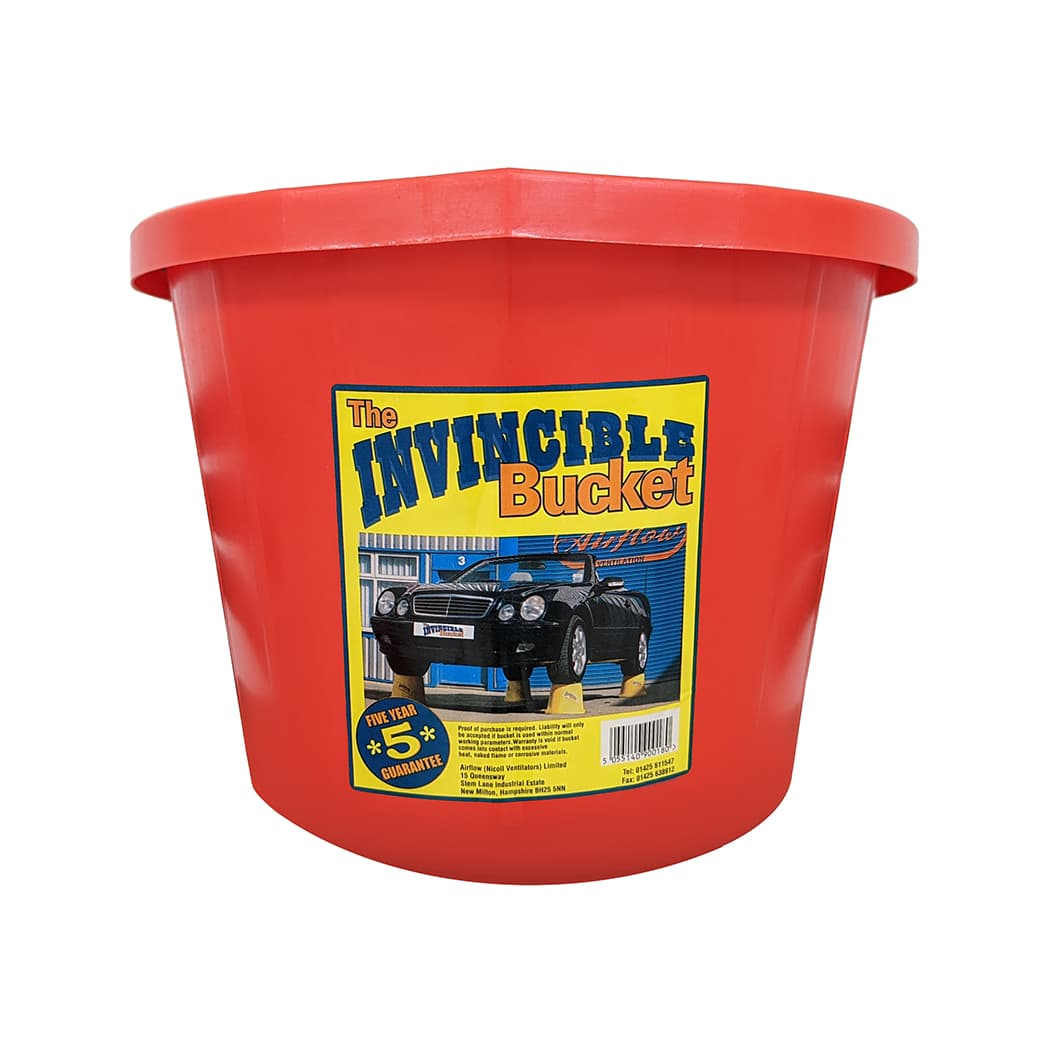
Airflow Invincible Bucket 15 Litres
A 15 Litre heavy-duty bucket calibrated in Gallons & Litres with a strong gripper handle.

CO.ME 134 Swiss Trowel
A stainless steel Swiss trowel with a rubber energy handle for additional comfort while in use.

CO.ME 301 Needle Float
With a sturdy plastic handle, efficiently create a satisfying textured scratch render finish.

CO.ME 309 Steel Plastering Trowel
A sturdy carbon steel blade plastering trowel applying and finishing renders and plasters.

CO.ME 330 Plastic Plastering Trowel
A lightweight white PVC plastic plasters trowel with a wooden handle available in two sizes.
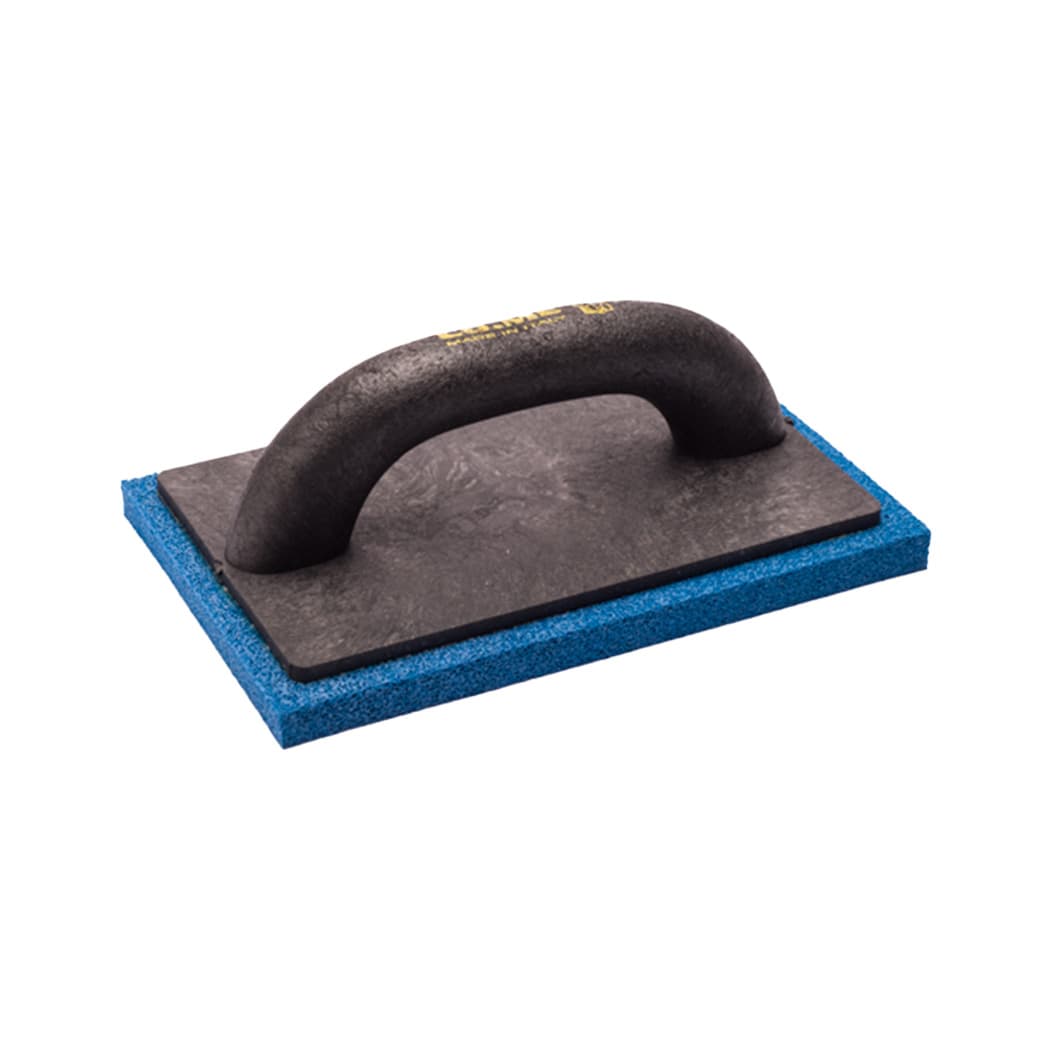
CO.ME Blue Hard Sponge Float 313AZ
CO.ME blue hard sponge float with fine porosity for traditional mortars.

CO.ME Grey Hard Sponge Float 313
CO.ME grey hard-sponge float with medium-fine porosity for traditional mortars.

CO.ME Orange Soft Sponge Float 313ORM
CO.ME orange soft sponge float with medium porosity for general use.

CO.ME Sponge Float
With an orange sponge and wooden handle, this float is ideal for cleaning or finishing plaster.
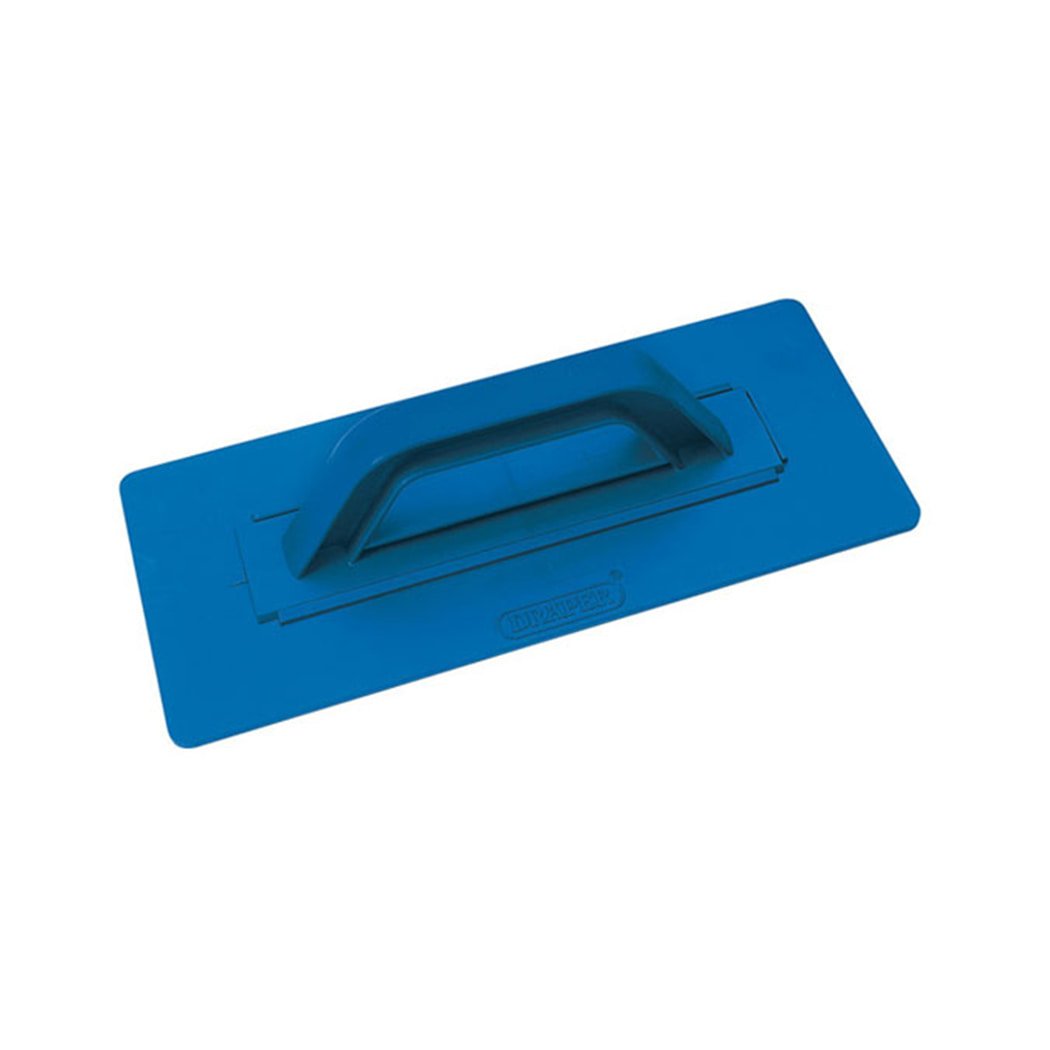
Draper Float
High impact polystyrene float suitable for heavy duty work to finish renders.

Draper Plastering Scarifier
With steel tines and a polyurethane handle, create a practical key for plasters and renders.
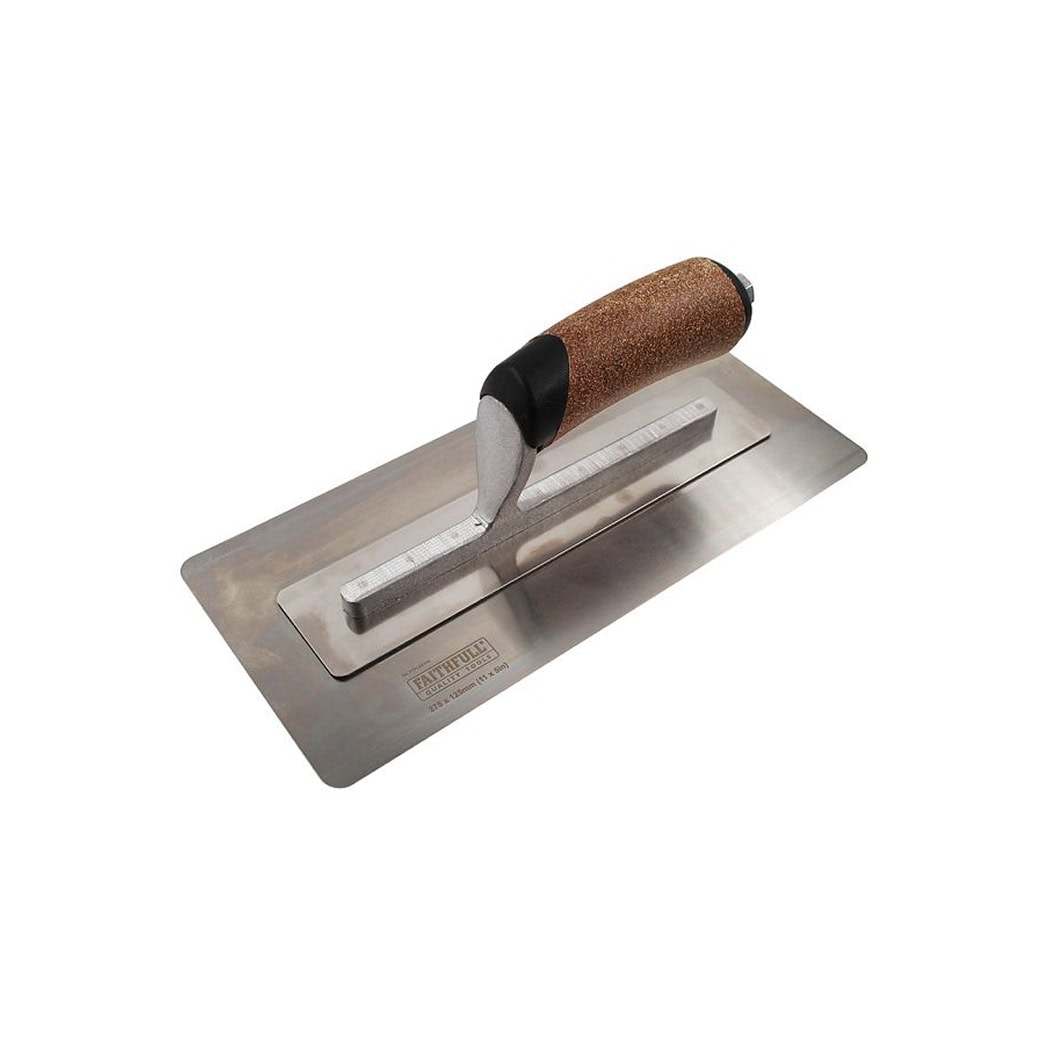
Faithfull Flexible Finishing Trowel
featuring a stainless steel blade and soft grip cork handle

Faithfull Large Plastic Float
A lightweight and durable float designed for a smooth finish with for lime or cement plaster.

Faithfull Plasterers Trowel
A stainless steel blade and soft-grip handle for a smooth finish for lime plaster.

Faithfull Plastic Decorators Hawk
A lightweight hawk, ideal for getting small quantities of mix close to the application area.

Faithfull Plastic Square Hawk
Faithfull lightweight square hawk with a moulded polyurethane smooth surface finish.

Faithfull Prestige Aluminium Hawk
Features machined grip rings to prevent mortar or render slippage and a soft grip handle.
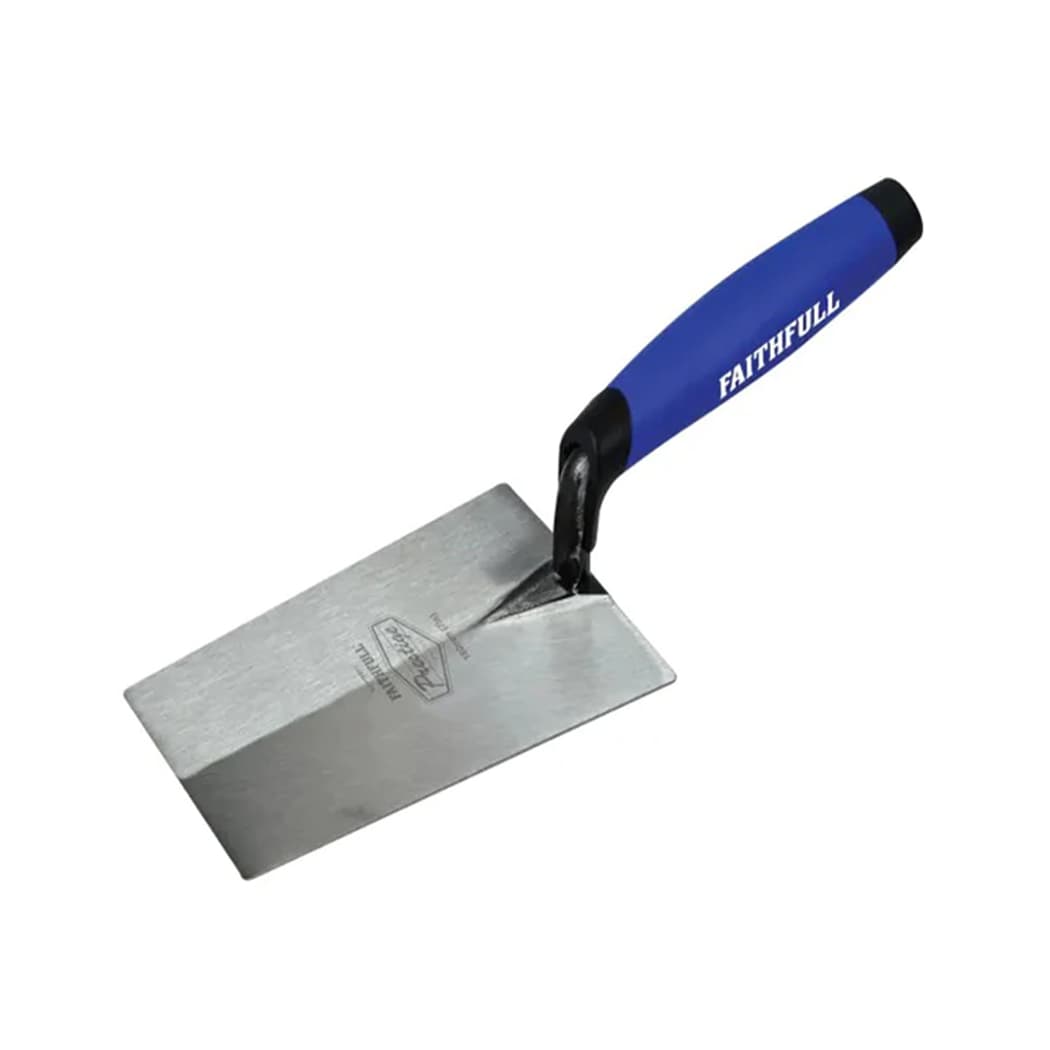
Faithfull Prestige Bucket Trowel
A tapered blade with round edges and a soft grip high lift handle for extra knuckle clearance.

Faithfull Prestige Cement Trowel
Designed for applying mortar or cement over large surface areas with a pointed end for corners.

Faithfull Prestige Internal Corner Trowel
Stainless steel blade for achieving a clean edge for internal corners and a soft grip handle.

Faithfull Prestige Margin Trowel
Ideal for tight spots, detail and cornice work, featuring a steel blade and high lift handle.

Faithfull Prestige Midget Plastering Trowel
Features a curved shape ideal for preventing the blade’s lead edge from digging in.

Faithfull Prestige Plastering Trowel
A stainless steel blade with pre-worn edges to replicate the shape of a well-used trowel.

Faithfull Scratching Tool
A robust tool with steel tines to create a strong key for new plaster or render.

Faithfull Small Plastic Float
Faithfull small plastic float with sturdy and lightweight one-piece polyurethane moulding.

Faithfull Sponge Float
A polyurethane-backed float, ideal for finishing grainy surfaces such as sand and cement mixes.

Marshalltown Wooden Float
A durable wooden float ideal for flattening and finishing plasters, renders and concrete.

MightyFlex Bucket
A flexible UV and frost proof bucket available in 4 sizes for easy mixing or moving materials.

Ragni Harling Trowel R118HT
Ragni R118HT Harling trowel with solid forged steel blade and soft grip handle.

Refina Notched Spatula
A lightweight spatula for removing air pockets and knocking back textured topcoat renders.
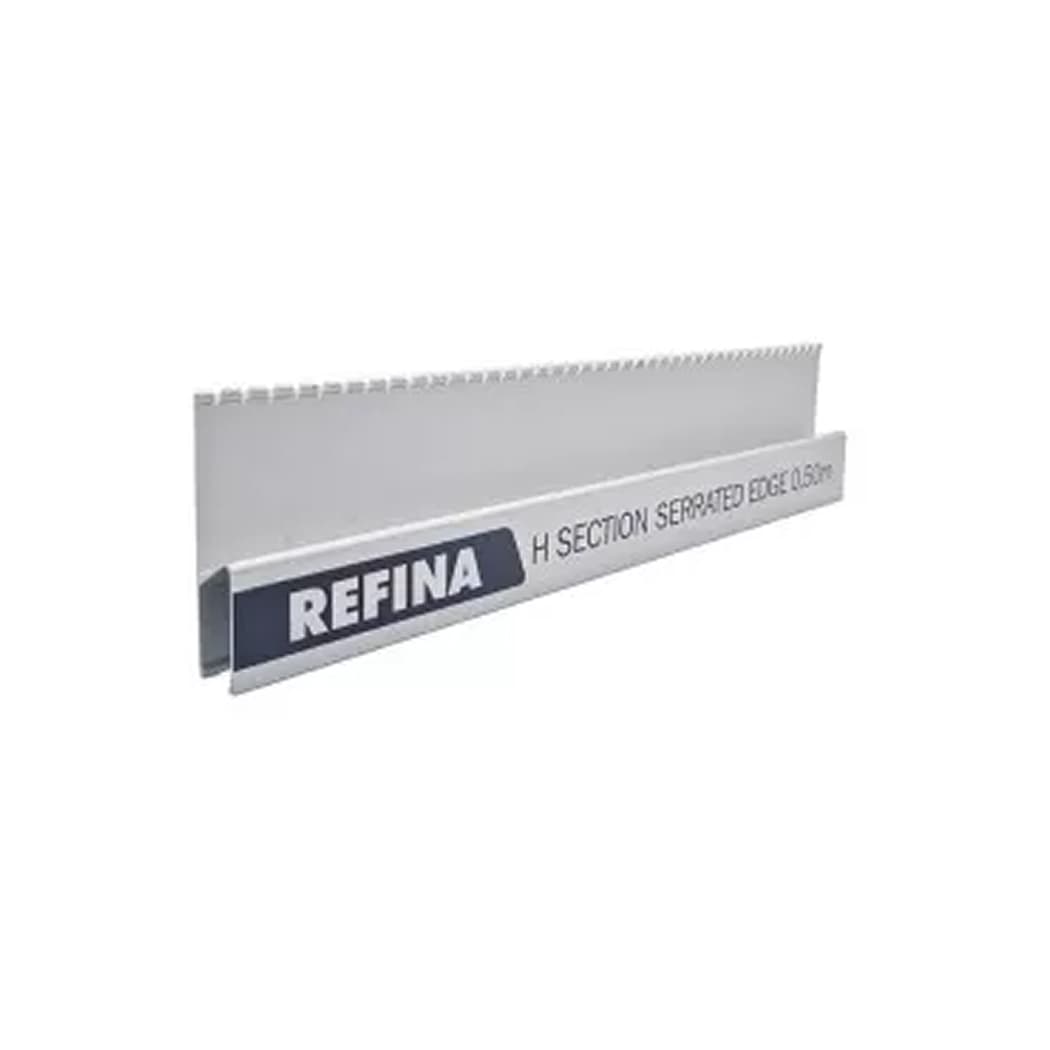
Refina Serrated Feather Edge
Refina precision-engineered serrated feather edge. Available in multiple lengths.

Roughneck Plugging Chisel
Comprised of strong, heat-treated steel with polished tips and corrosion resistance.
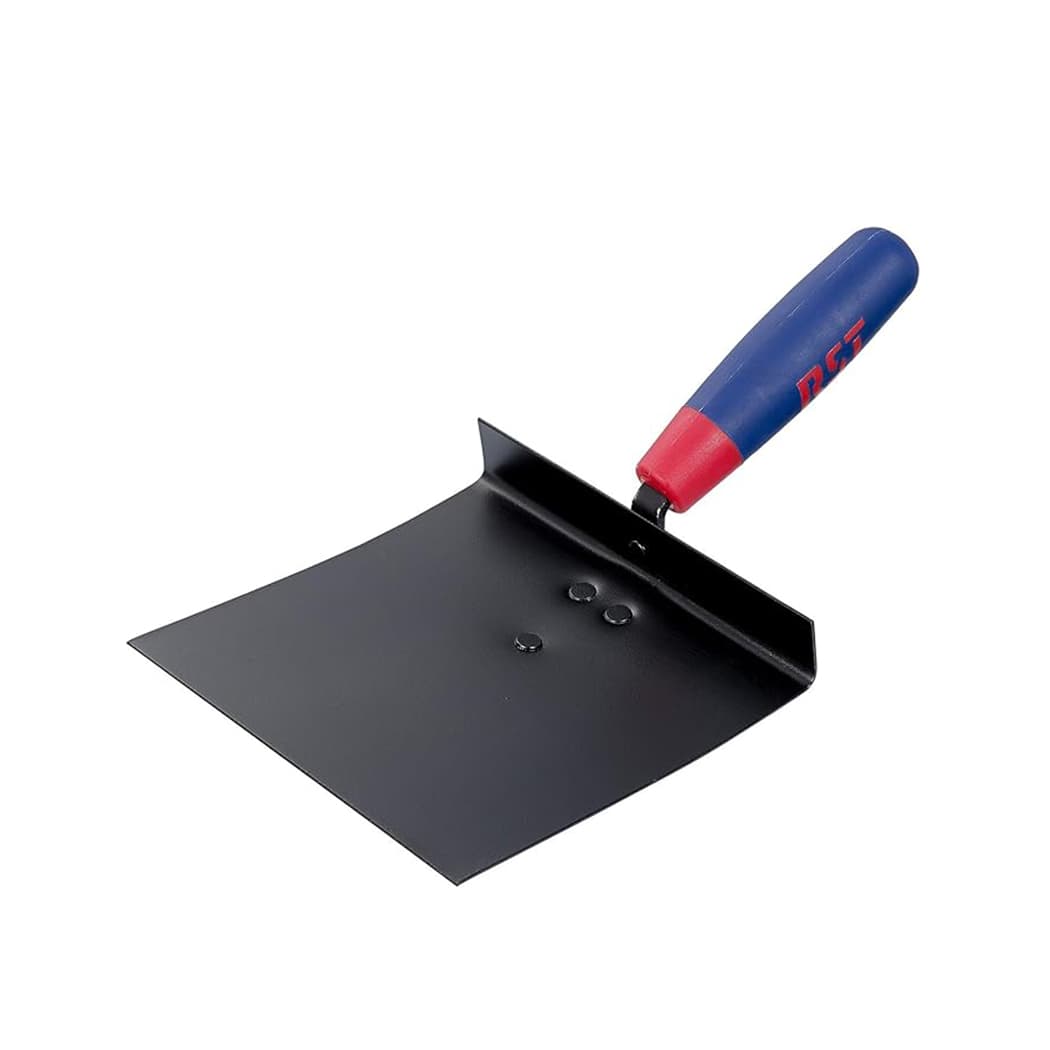
RST Harling Trowel
A durable harling trowel for harling material to create a roughcast or pebble dash finish.
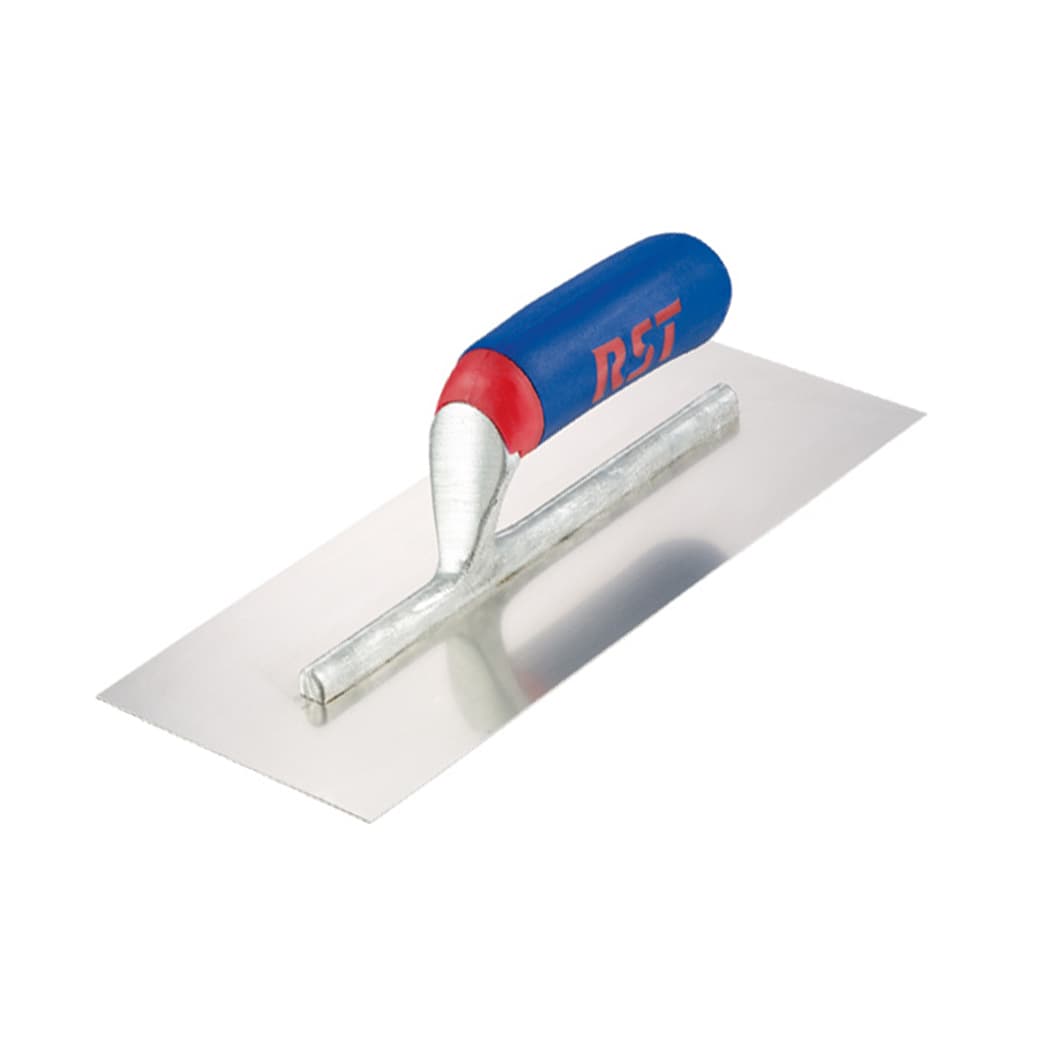
RST Plasterers Trowel
A carbon steel blade with a soft grip banana handle for smoothing and finishing plasters.

RST Scarifier
With a steel blade and soft grip handle, create a key for plaster or render undercoats.
Need support? Speak with the team.
FAQs
The core tools required for rendering are the hawk and trowel. The hawk holds the material while the trowel is used to apply it. Other commonly used tools include a bucket trowel for scooping the material onto the hawk. A straight edge, for flattening out the applied area. A scratching comb for the first coat of render, known as the scratch coat. A float, to flatten and level up the wall and provide an even finish and texture. And lastly, a sponge float can assist with discrepancies and refine the finish.
A laying-up or rendering trowel is used for rendering. Versatile and practical, it can be useful for basecoats, scratch coats and float coats. For finish plastering, a plastering or finishing trowel is used. Trowels are available in various sizes, often featuring a steel blade with a wooden or plastic handle. Which to use often depends on personal preference and what suits the project best.
There are no specialised tools for lime rendering or plastering; you can use standard plastering and rendering tools, the same tools you would use with sand and cement.
Beginners getting started with lime plastering may find smaller trowels easier to work with as they hold less mortar, making them lighter and easier to control. However, if you start with a larger trowel, this isn’t a problem as there is no set size you should use; use what feels comfortable and suits your project. If you have difficulty, try putting less mortar on the trowel.
A finishing trowel isn’t required for plastering; however, like all tools, they can make the job easier. Standard plastering trowels are generally made of thicker steel to assist with flattening out the mortar. In contrast, finishing trowels are mainly used for top coat plastering. They are typically made with thinner steel allowing for more flexibility which can help achieve a smoother satisfying finish.