
Close
All Filters
Filter by
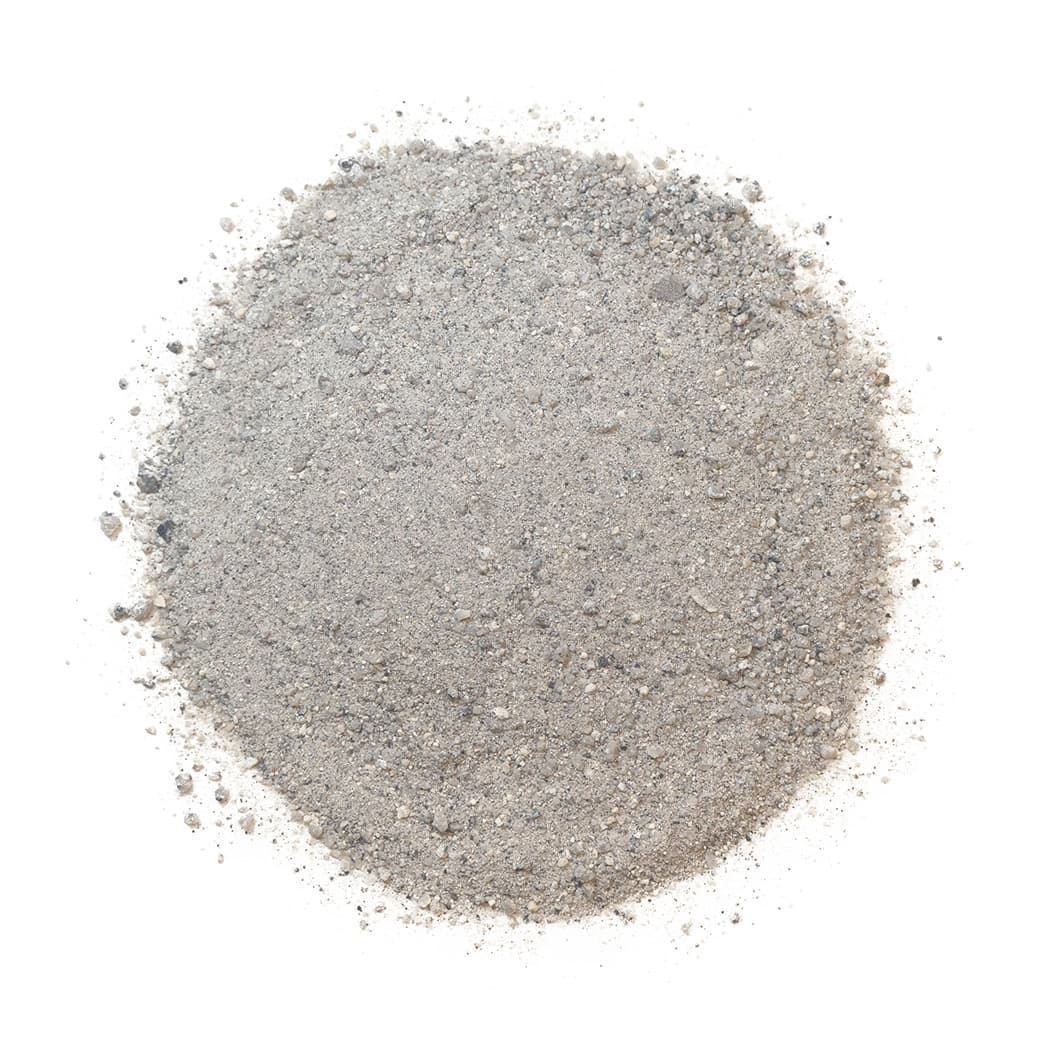
CLS17 Coarse Granite Sand
A light grey granite sand, very well-graded, locally sourced and budget friendly.

CLS24 Coarse Limestone Sand
A brown limestone sand, very well-graded and ideal for blending and adding colour.

CLS26 Coarse Mudstone/Siltstone Sand
A brown mudstone and siltstone sand, very well-graded and popular for its colour and texture.

CLS28 Coarse Flint Sand
One of our most popular, a yellowish-brown flint sand, well-graded, washed and screened.

CLS32 Fine Granite Sand
A light grey granite sand, locally sourced, budget-friendly, & meets BS1200 requirements.
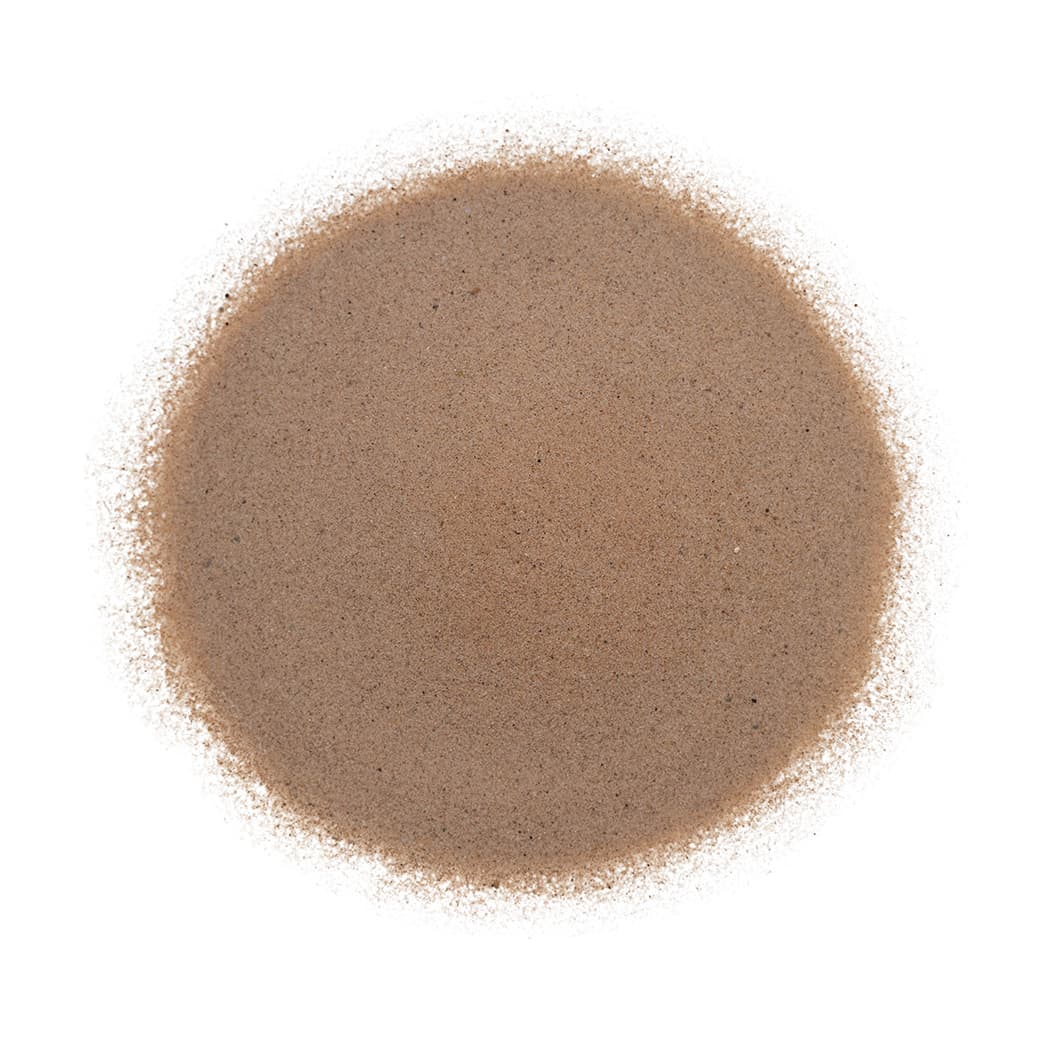
CLS33 Superfine Silica Sand
A light reddish-brown silica, popular for providing a light pink hue to a finishing plaster.

CLS34 Coarse Silica Sand
A reddish-brown silica sand ideal for blending or to provide a red colour to mortars.
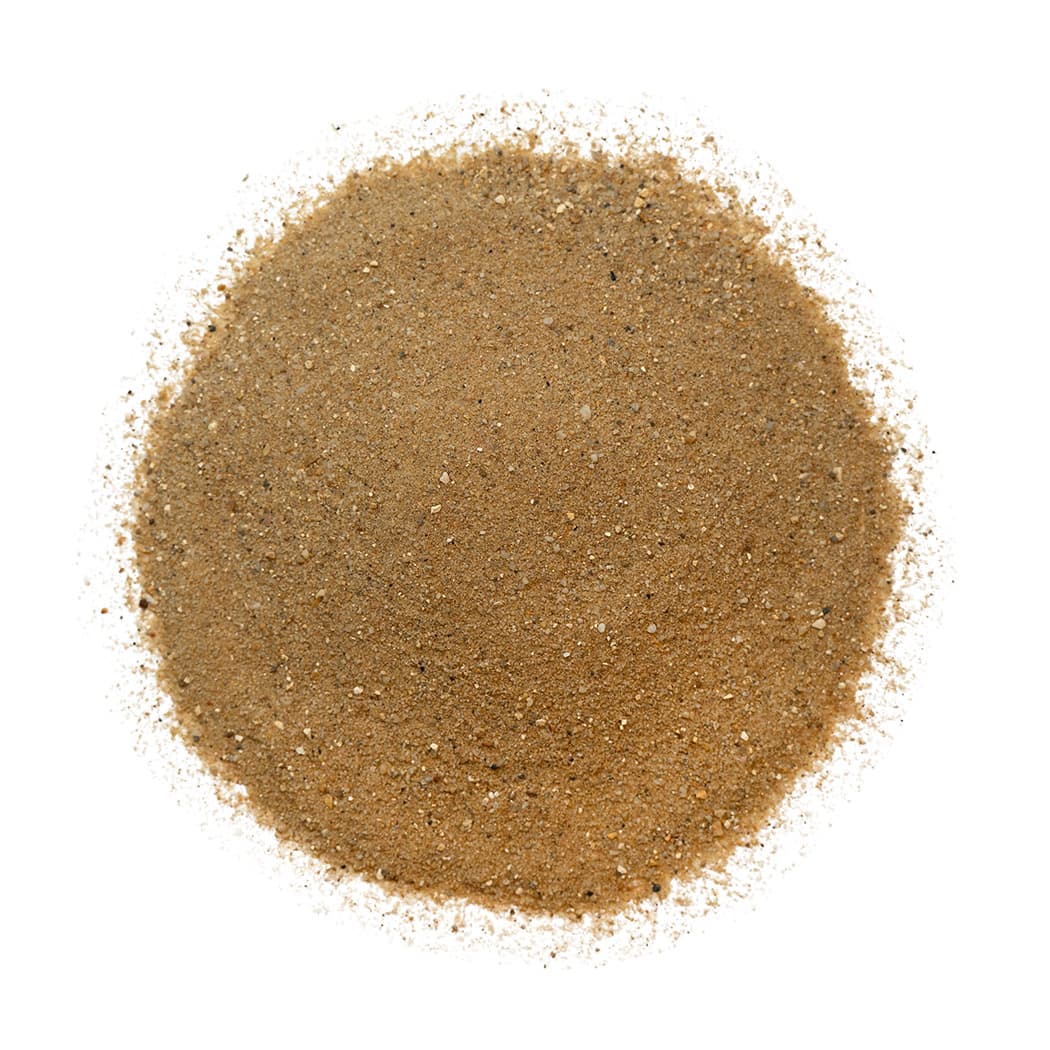
CLS35 Fine Flint Sand
A pale brown flint sand, popular for adding a warm ochre colour and texture to a mortar.

CLS36 Superfine Silica Sand
A yellow silica sand, popular for finishing plasters looking for an attractive cream finish.

CLS37 Fine Mixed Marine Sand
A brown marine sand, that works well for external topcoat renders, brickwork and blockwork.

CLS38 Fine Quartz Sand
A fine, well-sorted, pale brownish-grey quartz sand.

CLS40 Coarse Silica Sand
A yellowish-brown silica sand, well-graded, washed, screened and ideal for mortar matching.

CLS44 Medium-Coarse Quartz and Flint Sand
CLS44 is a medium-coarse, well-graded, light yellowish-brown quartz and flint sand.
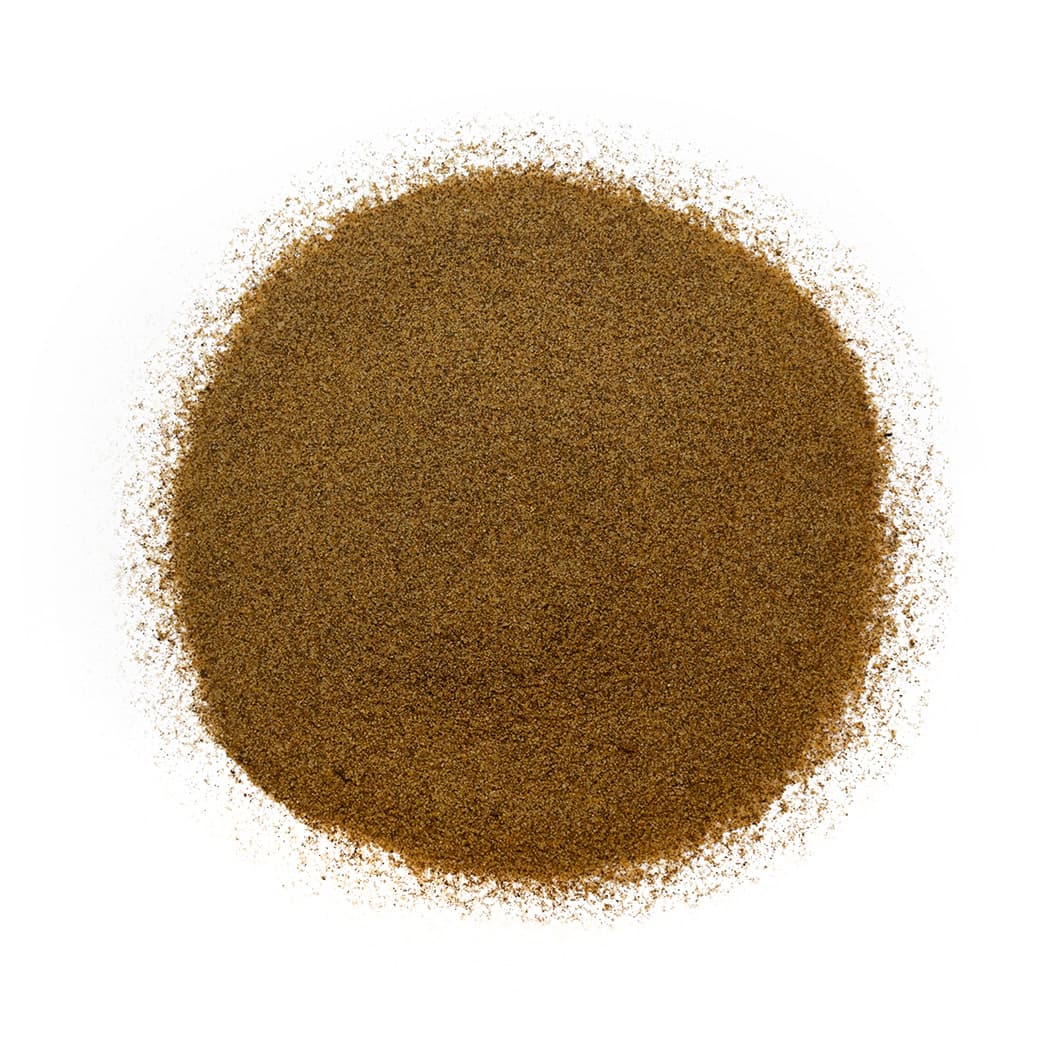
CLS46 Fine Silica Ironstone Sand
A yellow-brown silica and ironstone sand that provides a strong and distinctive colour.

CLS47 Coarse Silica River Sand
A light olive brown silica sand, well-graded and ideal for adding texture to a building mortar.

CLS70 Coarse Blended Sand
A brownish-grey, moderately sorted, sand that matches the mortars found in Southwest England.

CLS90 Coarse Blended Sand
A brownish-grey, well-graded, sand that matches the mortars found in Southwest England.
More about our sands
As one of the construction industries most versatile materials, sand can play a key role in countless building, landscaping, and or general DIY projects. Whether you’re after a budget-friendly building sand, a fine plastering sand or a coarse sand suitable for pointing, our collection is among the best in the Southwest of England.
At Cornish Lime, we’ve long recognised the importance of sand in lime mortars, renders and plasters. Whether you’re matching a historic mortar or aiming for a smooth finish for a topcoat, a material’s suitability ultimately depends on the sand used.
Explore our collection of sands for lime pointing, rendering, and plastering. Our carefully selected collection is explicitly curated for their mineralogy, colours or textures. Available in both mini and bulk bags each is naturally coloured, available kiln-dried on request, and ready for local or nationwide delivery.
Sands are essential in lime or cement mortars, renders and plasters. Whether your choosing a sand for general building, paving, or for mortar or render, the selection of sand impacts the materials overall performance, strength, shrinkage and workability, along with aesthetic qualities like colour and texture. When selecting a sand for your project, look for how well it’s graded, whether it’s washed or not, particle size and fines content.
Need advice? Our in-house team can help advise for a range of construction applications or help you determine the amount of sand you require. Get in touch with the team.
As with any natural product, variations in colour, texture and shape may occur. In addition, images may vary slightly from actual products due to these natural variations and screen resolution. For the best consistency, ensure to acquire a sufficient amount of material with your order to avoid batch-to-batch variation.
Need support? Get in touch with the team.
Get In TouchFAQs
Coarse, fine and superfine refer to the texture and grading of sand, which is determined by the range of grain sizes present. Typically, coarse sand has a maximum grain size of 6mm, fine sand has a maximum grain size of 3mm, and superfine sand has a maximum grain size of 0.5mm. For example, coarse sands are typically used in basecoats, fine sand in building mortars, and superfine sand in finishing plasters.
Fines are the smallest grains in the sand and are typically clays and silts with a particle size of under 63µm (0.063mm). Because these particles are so small, they have a much higher relative surface area than larger grains, increasing the water required to get the mortar to a usable consistency. This additional water requirement increases the risk of shrinkage during curing and drying and could also result in a loss of strength in the final mortar.
As general guidance, 125 kilos for every bag of lime. However, different limes have different densities, so this can vary.
Sands vary significantly in texture and colour across the UK due to the great variety of rocks that eroded to form the sands. The overall colour produced by a sand is a combination of the grains, as well as the fines, which provides the ‘background’ colour of the mortar. For example, the CLS46 sand gives a specked rusty tan finish, CLS24 gives an earthy brown colour, and the CLS44 gives an almost white finish but is very coarse. If you need help matching a mortar, we can help with our mortar matching service.
The proportions of the different grain sizes in a sand determines the ‘grading’ of the sand. As sands are a natural product, these gradings can vary significantly. Consequently, the grading of the sand can substantially impact the quality and behaviour of the mortar they are used in.
A large amount of fines, such as silt and dust, in sand increases the mortar’s water requirement, which increases the likelihood of shrinkage cracking during drying. In addition, a relatively high amount of grains over ~3mm can reduce the workability of the mortar and make it unpleasant to use. A well-graded sand produces a mortar that is less prone to shrinkage and that is easier to use.
A “coarse sharp sand” or “sharp sand” is common term used in construction, typically for types of work including concrete, screeding, or paving. Sharp sand tends to be coarse with sharp angular grains. We recommend CLS28, CLS40, and CLS44 as a good place to start.