
Close
All Filters
Filter by
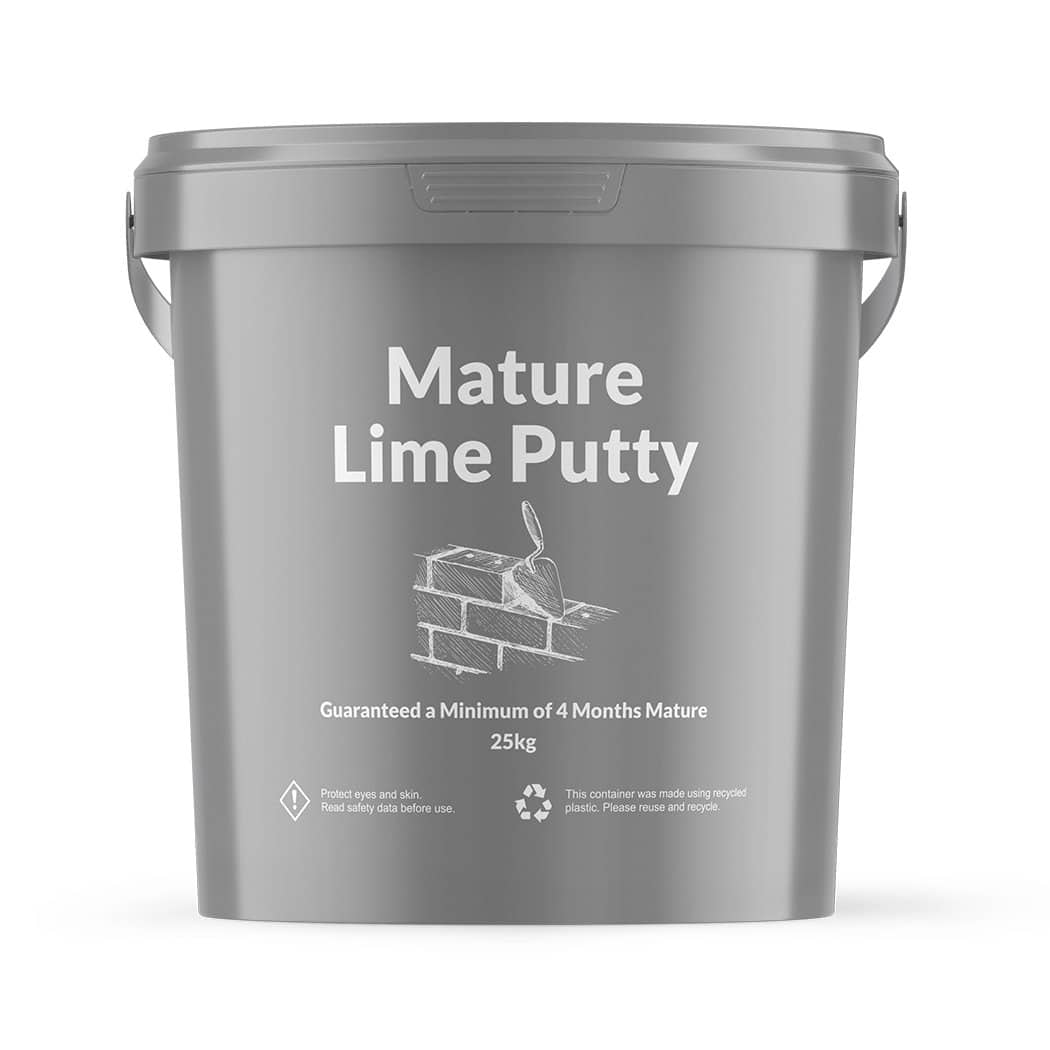
Lime Putty
High calcium premium lime putty, guaranteed to have been matured for a minimum of four months.
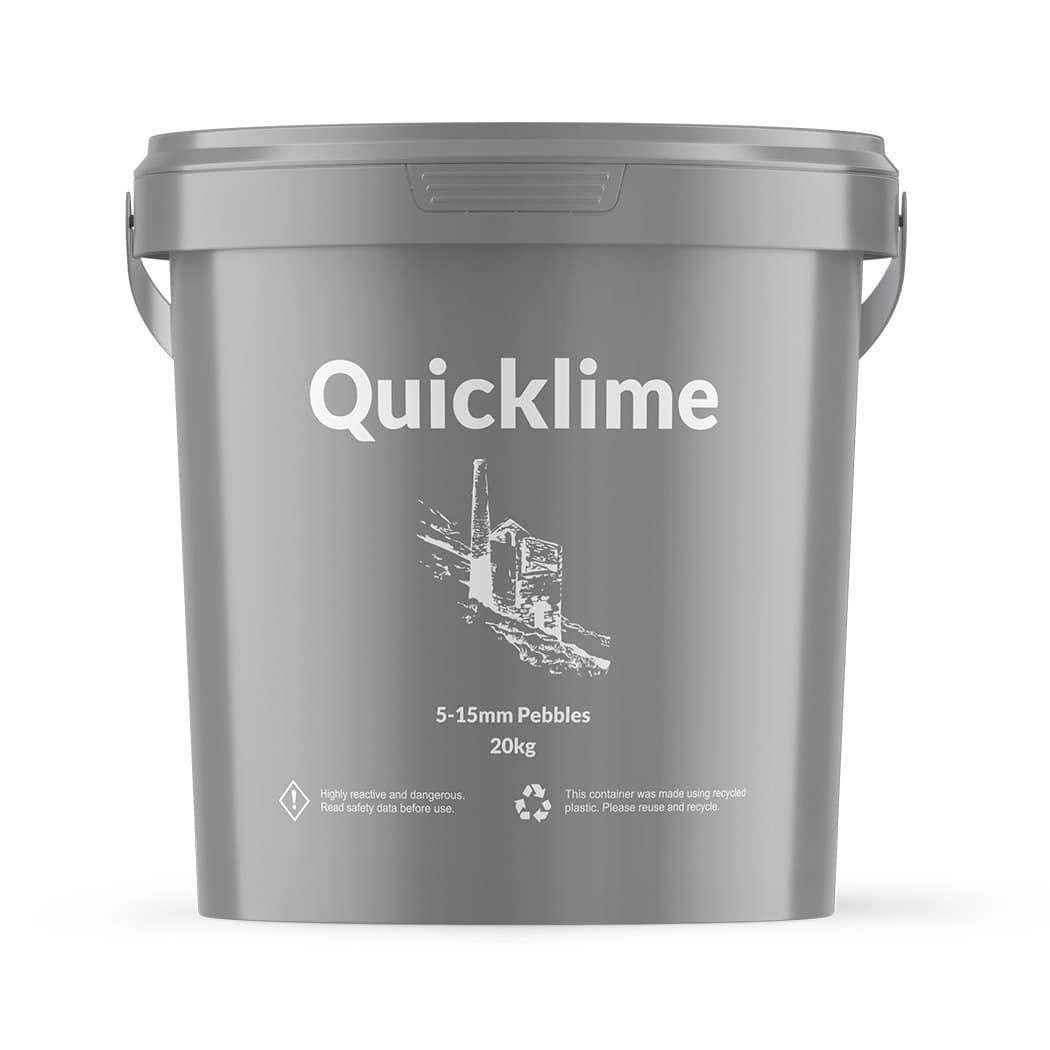
Quicklime
High calcium pebble or powder quicklime for making lime putty and hot-mixed lime mortars.
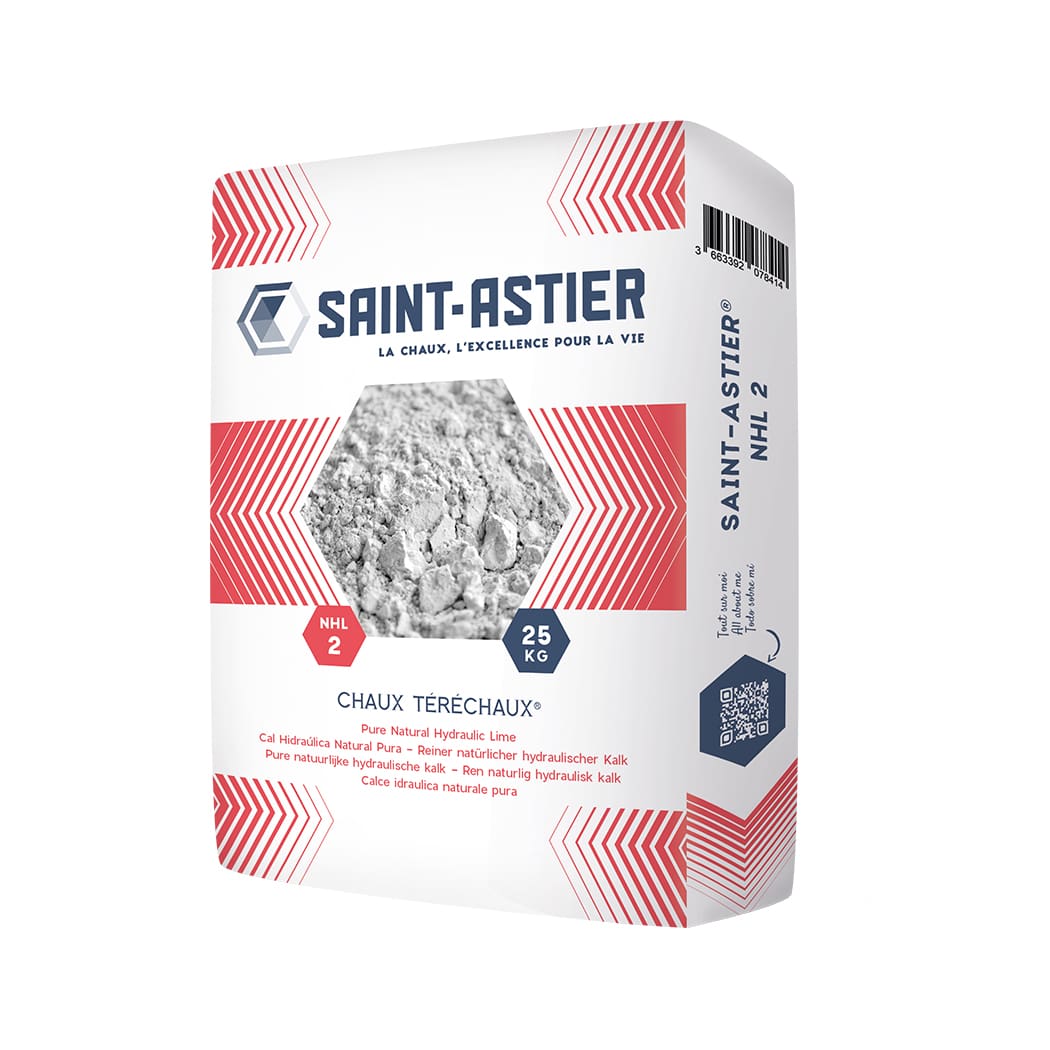
Saint-Astier® NHL2
Saint-Astier® NHL2, The Chalk Lime, is a white 100% Natural Hydraulic Lime with no additives.

Saint-Astier® NHL3.5
Saint-Astier® NHL3.5, The Versatile Lime, is a 100% Natural Hydraulic Lime with no additives.

Saint-Astier® NHL5
Saint-Astier® NHL5, The Roman Lime, is a 100% Natural Hydraulic Lime with no additives.
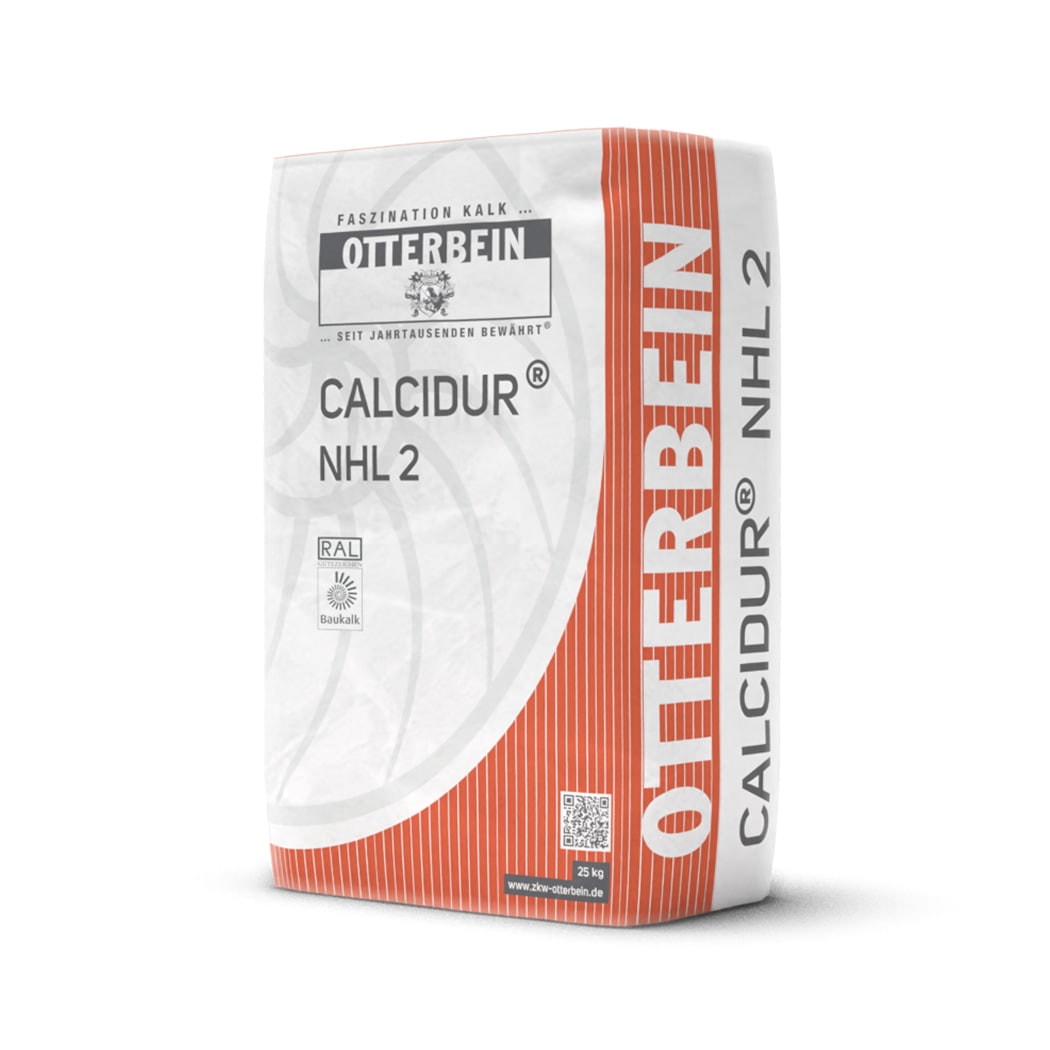
Otterbein Calcidur® NHL2
Otterbein CALCIDUR® NHL2 is a tan natural hydraulic lime with a high free lime content.

Otterbein Calcidur® NHL3.5
Otterbein CALCIDUR® NHL3.5 is tan natural hydraulic lime with a high free lime content.

Saint-Astier® Tradiblanc
Saint-Astier Tradiblanc®, HL5 The White Lime, with white cement and plasticisers added.
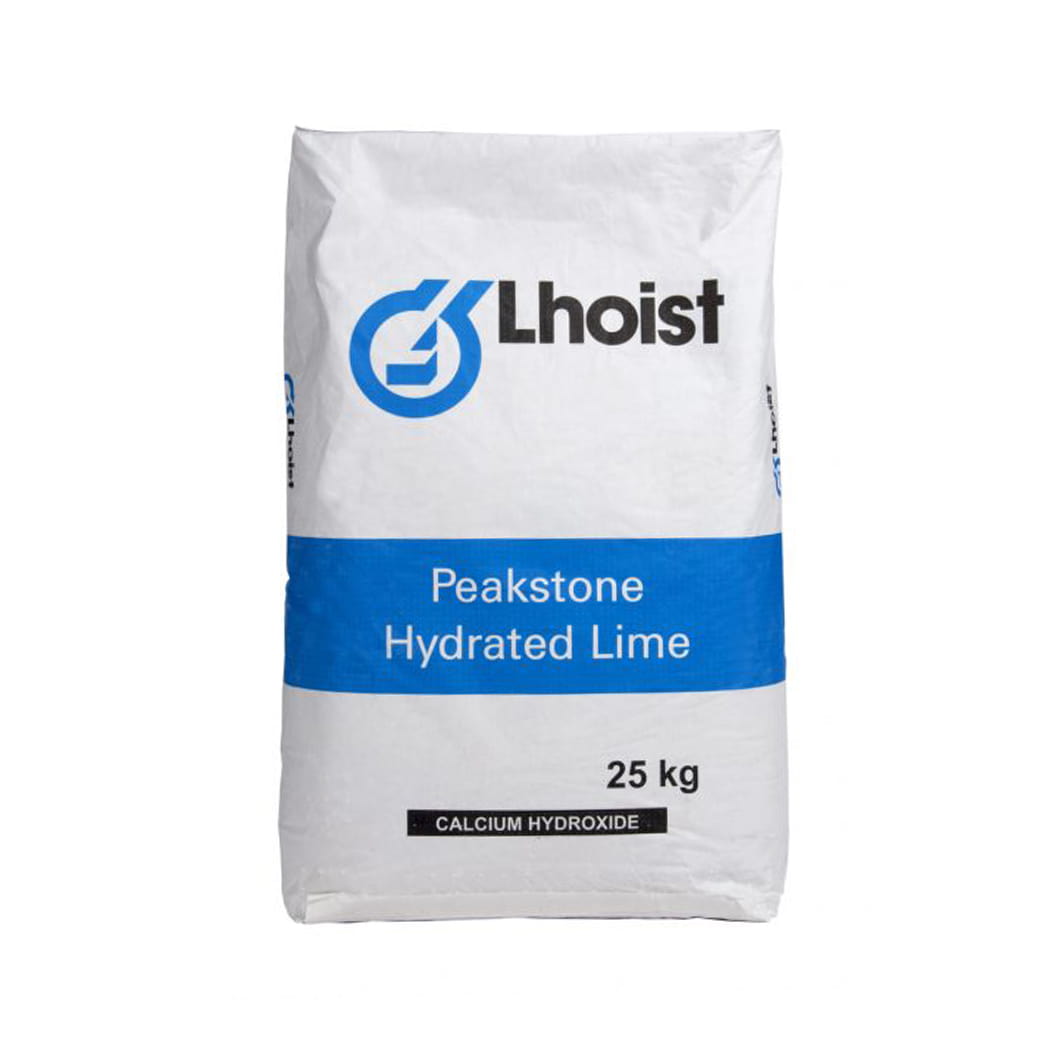
Lhoist Peakstone Hydrated Lime
A ultra-fine white high-purity calcitic hydrated air lime powder designated CL90 S.
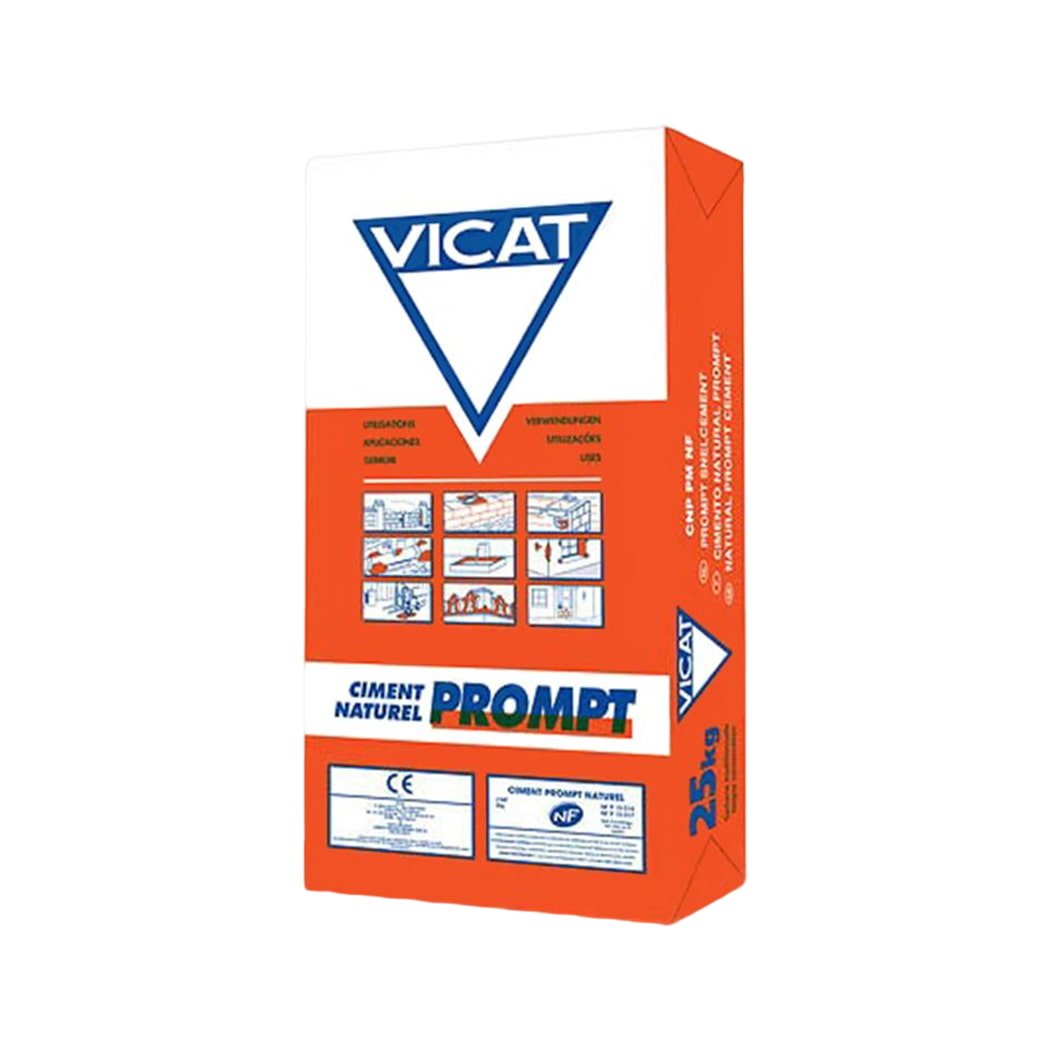
Vicat Prompt Natural Cement
A fast setting, waterproof, salt-water resistant and completely natural cement.
More about lime and binders
Binders are bonding agents that create mortar when combined with aggregate and water. There are a multitude of binders used throughout the construction industry. For mortars, renders and plasters, it’s common to find gypsum, cement or lime as options depending on the project’s requirements or specifications. Whichever binder is chosen will influence the properties of the final mortar, including strength, setting time, and compatibility with surrounding materials.
Before the introduction of cements in the early 19th century, lime was the fundamental material used in various forms. Lime has been used generically for mortars, renders, plasters, and concretes since at least 7000 BC and is a common mineral found worldwide, naturally occurring as limestone.
As such, it’s no surprise for traditional or historic conservation or renovation, lime is central to the sympathetic repair of walls and ceilings in solid-walled buildings. This is no surprise, as limes have been used as a binder for thousands of years worldwide. Take a look at ten remarkable buildings and landmarks that have used lime in their construction.
Known for its vapour permeability, often referred to as breathability, lime allows buildings constructed with solid walls made of stone, brick, or cob to better manage moisture in the building fabric. Further, its soft and flexible qualities allow for building movement, supporting the building’s long-term health.
In contemporary cavity wall construction, there is a growing enthusiasm for the advantages and characteristics that lime can provide as a binder.
Which lime is most appropriate should be determined by several factors, including the period of the building, internal or external environmental factors and the condition of the masonry. Further, as awareness of sustainable building practices grows, there is an increasing interest in traditional materials such as lime.
Need help determining which binder to use? Our in-house expert team can recommend a suitable binder and aggregate for your project. Buy online or open a trade account with convenient local and nationwide delivery available.
Need support? Get in touch with the team.
Get In TouchFAQs
A binder is any material, such as lime, gypsum or cement, that holds other materials together to form a composite, thus creating a mortar.
Lime binders are used instead of modern Portland cement or gypsum to function like the ‘glue’ in the mix, which holds the overall material together. Lime has been used as a binder for millennia around the globe.
There is no ‘one size fits all’ answer to which type of lime should be used. We always advise that each project is unique, and what lime is most appropriate should be determined by several factors, including the period of the building, internal or external environmental factors and the condition of the masonry. When in doubt, seek professional guidance or speak with our team, who is happy to help advise you.
We strongly advise against the addition of cement to a lime mortar. Lime has been used for millennia successfully without the need for the addition of cement. There is often an assumption that strength equates to durability; however, these are two different characteristics. The qualities that make cement an excellent modern material, impermeability, strength and high density, make it inappropriate for solid wall construction. Cement reduces the porosity, vapour permeability and overall breathability of mortar, which can lead to issues with moisture or the decay of the stone or brick masonry. For those looking for additional strength but breathability for more modern construction, we recommend the Cornerstone Newbuild range.
Lime is often more expensive than cement due to the scale of manufacturing. The volume of lime produced each year globally is much lower than its cement counterpart. However, lime is much bulkier, so when comparing a bag of cement with a bag of lime at the same weight, you will get more buckets of lime than cement per bag. As such, consider this when comparing prices, as using a weight-to-price ratio alone might be less helpful.