

A practical guide to working with lime in the winter
Working with lime in the winter? Learn more about preparation, the risk of frost damage, how to protect your fresh lime mortar and more.
Many building materials will state to avoid use in temperatures of 5oC or less. Unfortunately, here in the UK, it is common to see these temperatures during winter, making work more challenging and risky.
Working with lime is no different. In fact, working with lime in cold and wet conditions can be very problematic. The lower the temperature is, the slower a binder develops strength. For example, a 10-degree drop in temperature reduces the reaction rate by approximately 50%.
The significant problem with using lime in lower temperatures is frost damage. As the temperature drops, the rate at which a lime mortar develops strength decreases, and if the mortar is saturated, it will be more prone to damage and failure.
As water freezes, it expands by around 9% in volume. If a mortar is saturated or very wet, there is no space for this water to expand, and it will push itself apart if it’s not strong enough.
1:1:6 Portland Cement mortars have been shown to fail in freezing conditions for up to 10 weeks after placement. Limes develop strength slower than this, so their initial cure and aftercare are essential to avoid material failure.
As a best practice, we strongly advise that lime work be carried out during spring, summer and autumn. However, we realise this is not always practical or viable. So should you find yourself in a position where this cannot be avoided, we have put together a list of tips for working with lime in the winter.
Tip 1: Forecasting to avoid frost damage
Regularly monitor the forecasts and try to plan accordingly. If possible, avoid working during periods with a high chance of frost within a 2-week period.
Tip 2: adequate detailing
Ensuring other areas of the building which deal with rainwater are in good condition before starting work is advised. Doing so can prevent the material from getting wet from runoff water, reducing the risk of ice forming.
Tip 3: Use well-designed scaffolding
Well-designed sheeted scaffolding can assist with breaking the windspeed and rain before it gets to the wall or roof. Further, overlapping the top lift of the scaffold with a waterproof sheet sloped to the outside of the scaffold will allow water to run off away from the wall. Lastly, plan to have the scaffold up longer than you would in warmer months, as the lime mortar will require additional time for adequate curing.
Tip 4: Use hessian sheeting
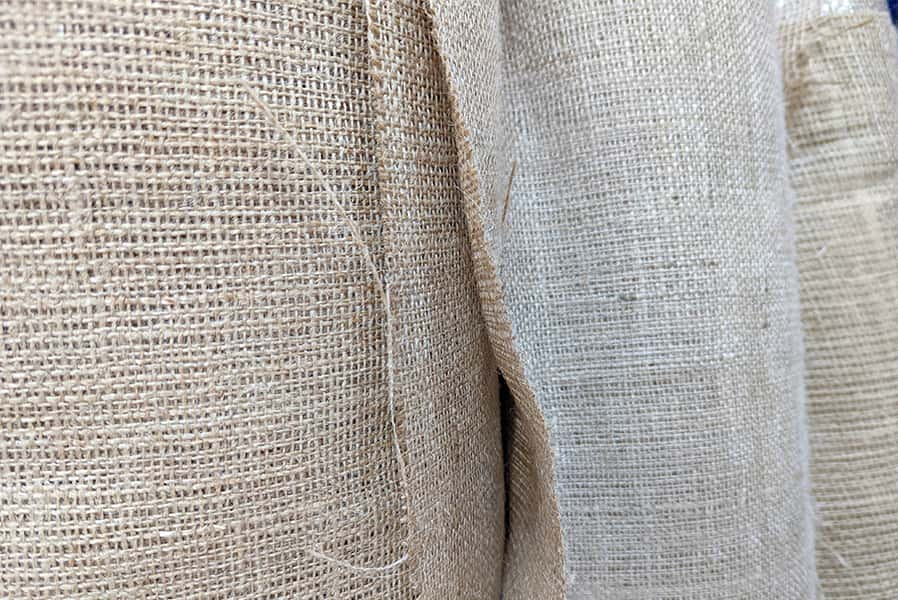
Using hessian can act as an insulating barrier between the mortar and external conditions. It can also be used as a screen to prevent water from coming into contact with the mortar. Further, damp hessian freezes before the wall does, creating an air gap for some small insulation of the substrate and helping the fresh mortar stay damp to aid in early strength development. However, the hessian cannot be allowed to get too wet, as this will counteract the insulating properties. A reasonable gap should be left between the mortar and the hessian, so it cannot damage the mortar in its early life. Read more about protecting and curing a lime mortar.
It’s worth noting that plastic sheeting is generally not recommended. While this can completely break the wind, it stops water from evaporating, which can lead to the mortar becoming saturated, which is a higher risk for frost damage.
Tip 5: Use a premixed lime mortar designed for winter conditions
Using a premixed mortar designed for winter conditions is a convenient and reliable option. We recommend Cornerstone Wintermix, with carefully selected and precise additions that enable lime mortars to be used in lower temperatures.
While Cornerstone Wintermix is less susceptible to frost damage and less demanding to apply in the cold, ensure the appropriate preparation and protection from rain and frost are in place. The proper curing of any lime mortar is always essential.
View the full Cornerstone range
Tip 6: Increase frost resistance
Strength development is vital in resisting frost damage. Unfortunately, NHLs develop strength very slowly, and air limes will not carbonate in low temperatures or environments with too high humidity.
When considering how to increase strength development, be aware of how this might impact the mortar or stone around where the new mortar will be applied to prevent potential damage. Below are a few options, with the pros and cons for consideration.
Adding pozzolans
Pozzolans are a budget-friendly way to increase the strength development rate with little impact on the breathability of a mortar. With the correct type and dose, it’s possible to achieve frost resistance after approximately a week (cured at 5oC.) However, this can significantly strengthen the material long-term and is risky without the right experience and equipment. Therefore, only those with advanced knowledge of these materials or under expert advice should attempt this.

Using a richer mix ratio
Using a richer mix ratio is also a budget-friendly option and often uncomplicated to discuss and agree with specifiers. However, this will make the mortar stronger in the long term and less breathable. Keep in mind, whilst this helps increase strength development it’s still a fairly slow process.
Using a stiffer mix
Using a stiffer mix requires no additional budget. Still, it can make the mortar more challenging to apply and result in more labour required.
Modern “accelerator” additives
These can work with limes in a chemistry sense, however, there are no accelerators which we would advise using. Furthermore, these materials are often incompatible with breathable mortars, as they often contain chloride salts which are still soluble after the mortar has set. As a result, this can lead to spalling of the mortar through salt crystallising on or under the surface.
“Chloride Free” accelerators are not designed for use with lime and will generally cause more problems than they solve. These problems include stopping the mortar setting, severe loss of workability and an undesirable patchy finish.
Lastly, not all specifiers will permit the use of admixtures for heritage projects. Always inform the appropriate parties before proceeding.
Air entrainment
Air entrainment is commonly used in construction and can help workability and frost resistance. However, again not all specifiers permit the use of admixtures on heritage projects. It’s also worth noting that commercial pre-mixed solutions can sometimes contain pore-blocking materials, resulting in a non-breathable mortar.
Tip 7: The addition of Prompt and why it doesn’t work
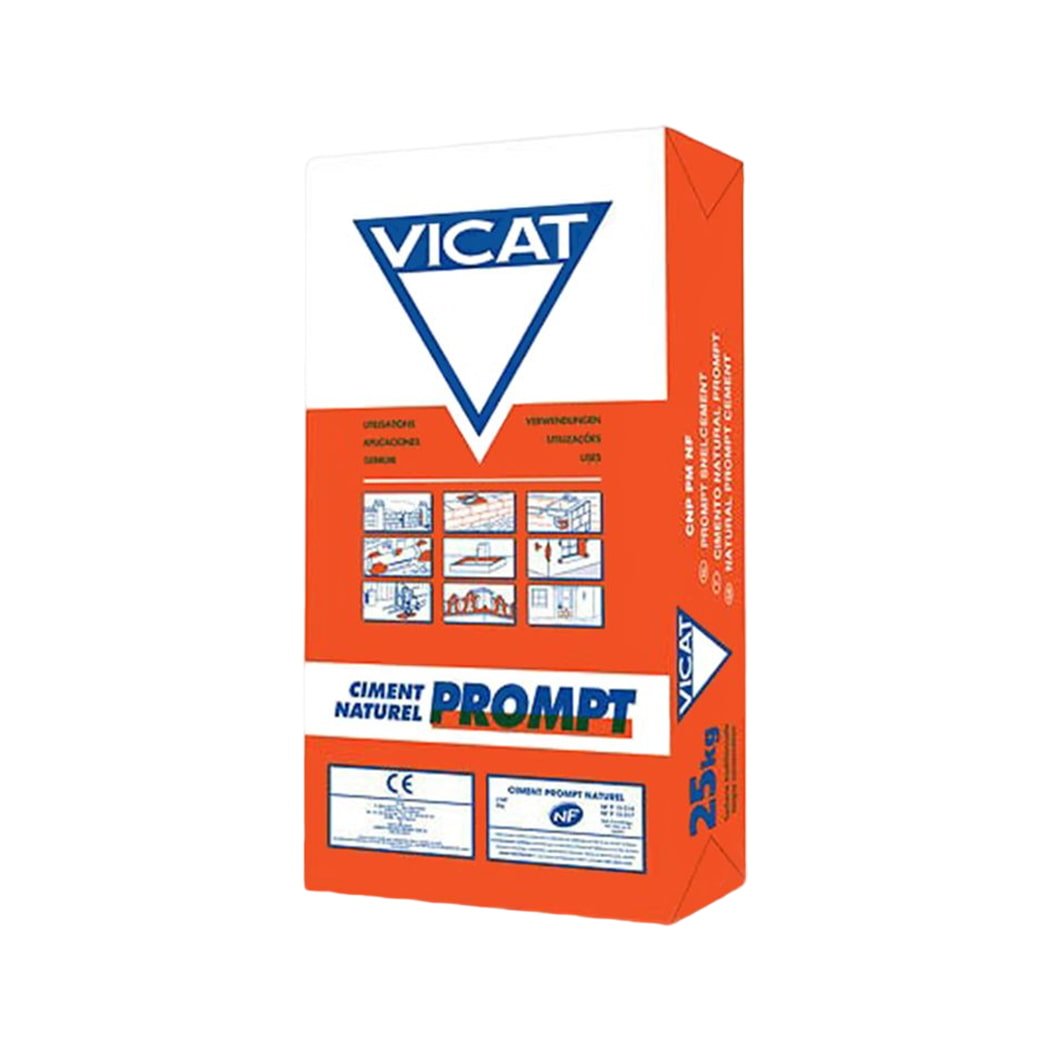
Gauging Prompt into lime gives an initial set but should be considered a ‘false’ set. This is because Prompt has a very similar chemistry to NHLs; however, the initial set comes from the alumina content. After this initial set has occurred, the strength development follows a near identical path to that of NHL. So, if there is enough Prompt in the mix, this alumina will bring you over the strength requirement for frost resistance. However, this quantity of Prompt is often too high to be considered a lime mortar anymore.
Below are test results conducted in-house based on a 2:5 mix, where the Prompt is used as a replacement for NHL3.5. These samples were all cured at 4oC and made with our CLS28 sand.
- Below 35% Prompt by binder volume, a mix will still take 4+ weeks to achieve frost resistance.
- An approx. 60% replacement of lime with Prompt will give frost resistance after around a week.
- An 80-85% replacement of lime with Prompt will provide frost resistance after a day.
At the 80% level, the replacement quantity with Prompt to achieve a fast frost resistance is so high that it’s not a lime mortar anymore; it’s a natural cement mortar. So while Prompt is a fantastic product suitable for many applications, it’s still not a lime mortar. It’s less breathable, less flexible, and harder.
Tip 8: Appropriate workwear and PPE
When working in the winter, it is important to dress warmly and take precautions against the cold. Extra layers of clothing can make a big difference, but remember that lime is an alkaline material, and the appropriate PPE should always be worn and fit correctly. Have a project planned? Browse our range of PPE.