

Holly’s passion for sustainability and conservation has always gone hand-in-hand with her love of science and hands-on work. At Cornish Lime, she helps develop and expand our trusted range of lime-based materials. Outside of work, she’s restoring her own mid-19th century slatestone cottage. In this short interview, Holly shares her background, her role, and her path into building conservation.
When did you realise you had a passion for the environment and conservation?
Growing up, I knew I wanted to work as a scientist but never settled on a discipline as my interests have always been broad. I wanted to be part of reducing our human footprint on this planet, in whatever way possible. My previous research focused on culturing microalgae on wastewater to produce biofuels and other products and I have also worked in field conservation.
How did this lead you to building conservation?
I’ve always been very practical and love hands-on projects. My partner and I bought our first home, a cottage requiring a lot of work. So, we both attended the Lime Training Day here. Learning about the history of construction, the variety of traditional building materials and how best to use them depending on application and location was fascinating! So, I had to apply when a vacancy appeared for the science team. The steep learning curve and variety of the work keeps my job interesting.
Which part of product development do you find the most fulfilling?
After years of working in environmental research and conservation, improving the environmental performance of products is the most fulfilling. Natural building stone and lime-based products in traditional builds are already more environmentally friendly than many modern alternatives. However, they can still be improved upon by sourcing materials more locally or improving their physical performance, such as insulating properties.
I also enjoy learning about the history of materials and vernacular construction. Recently, I have done development work on limewashes, researching historical recipes.

Reading about the historical ‘additives’ used to improve the performance or workability of lime-based building materials was intriguing. In some cases, this included things like animal blood or urine! Of course, these are not used today, but understanding their function can inform how alternatives can be used to impart the same properties. Experimenting with these limewashes was quite fun!
I also enjoy custom mortar matching. When we receive historic samples, it’s interesting to discover sites from all over the UK, the local geology, and how they were constructed, and then try to create matches. It combines art and science in many ways, creating colours, tones and textures to suit a particular project.
Learn more about custom mortar matching
What specific skills or knowledge are essential for your role?
Curiosity, a love of learning and an eye for detail are essential; a chemistry background is also very valuable.
Construction and materials science is already a vast and evolving field, with many factors to consider. Add to this the historical context of working with older buildings. To determine the materials from which they were built, reasons for failures or to advise on options for repair, you need to undertake some forensics; you can feel like a detective some days!
People skills are also crucial to the role. We have various customers and clients, from DIY enthusiasts, architects and builders to governing organisations and construction companies for whom we carry out a range of work. There are often differing philosophies on how to approach restoration work, which will vary with each specific project. Ensuring the right outcome for the project and providing good customer service when there are differing and often passionate opinions requires good communication.

Speaking of skills, you’re working on your own cottage. What have you done so far?
Our property was originally built for workers at the Port Eliot Estate. It is a mid-terrace, double-fronted cottage constructed of slatestone rubble. While the official listing describes it as mid-19th century, based on speaking to the estate and internal features picked up on by the surveyor, it is potentially much older. Fun fact: Georgian sash windows were fitted to these workers’ cottages to make them look more expensive; however, most of the sash windows in this village open upside down!
Like many historic buildings, the popularisation of cement in the 20th century meant some parts of our house are rendered in modern materials in a failed attempt to control damp. The worst area for us is our kitchen, which backs onto soil. We uncovered three layers of concrete applied directly to the original stonework, internal false concrete block walls and a concrete rendered chimney. With the wall completely encased and unable to breathe, water had been trapped in the stonework for decades, wicking up to the ceilings and slowly rotting some of the beams in the floor above.

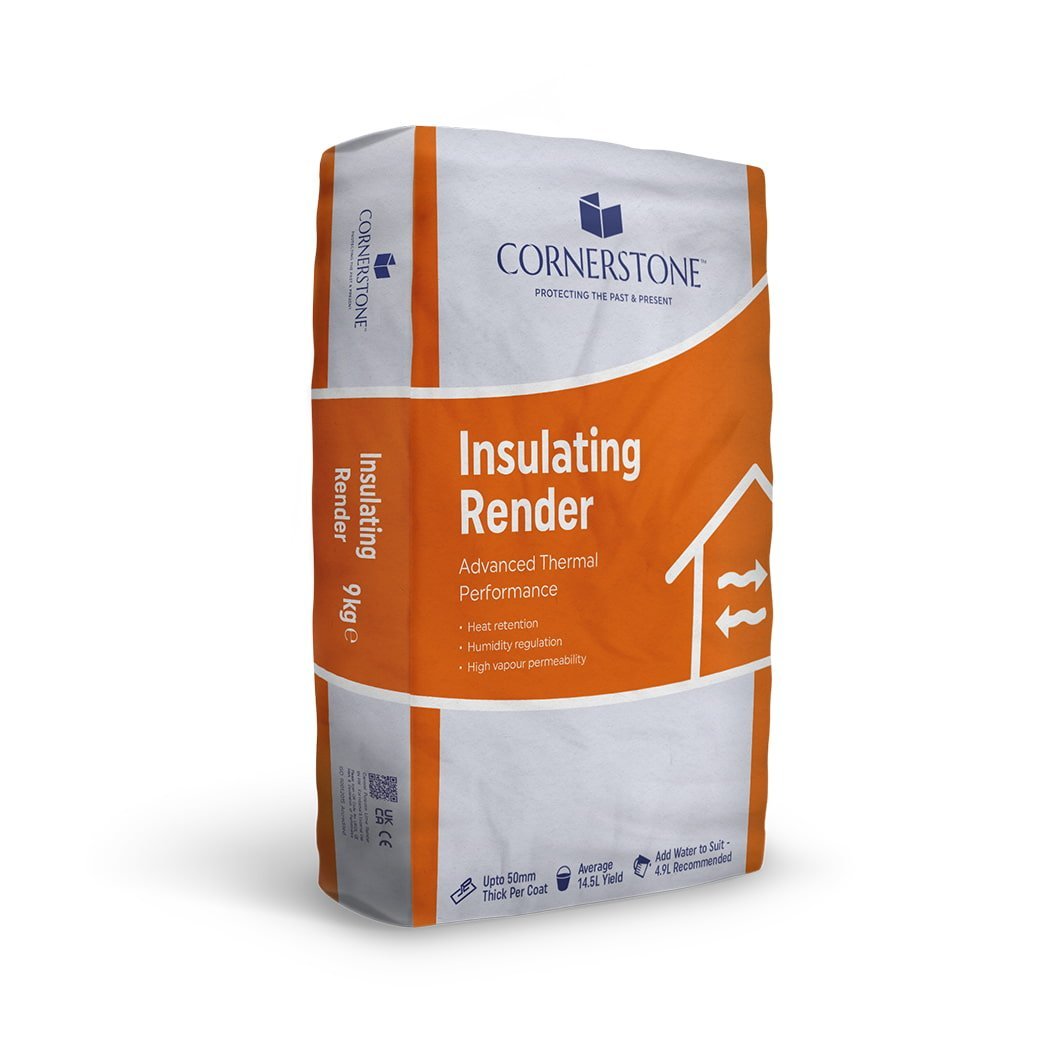
It has taken a few months to remove all the concrete and allow the walls to dry out, which, despite the wet Cornish summers, has already made an enormous difference. In other parts of the property, a simple heating and ventilation routine and removing wallpaper and modern acrylic paints have been enough to remove damp patches altogether. We have also been teaching ourselves how to repair the house using traditional lime mortar and modern but breathable materials, including wool wool boards and Cornerstone Insulating Render. It’s been very satisfying to see the progress so far. We still have a long way to go, and it’s been a slow process, but I recommend that. Before rushing into significant renovation tasks, get to know your home through the seasons. Identifying the real underlying issues before approaching repairs can save you time and money in the long run. Want more tips? Read Holly’s article on Tips for Renovating or Remodelling an Older House.
Any advice for other women aspiring to pursue a career within manufacturing?
Follow your interests and keep an eye on what fields are recruiting and growing. Be open to trying something different or unusual, especially if you can build your skillset. Be prepared to leave your comfort zone as this is where you’ll often learn the most and undergo personal growth. I’ve had a very varied career path so far and have been out of my comfort zone frequently, which has given me a broad base of skills and the confidence to know I can achieve most things I set my mind to. Importantly, network, build your communication skills, and don’t be afraid to reach out to others for support or advice. People really love to help!