

Practical ways to cut down window condensation
Windows are an essential element of any home or business and play a role in the overall lighting, insulation, and ventilation of a building. Condensation on your windows can be a frustrating issue in the cooler autumn or winter months.
This article will explore what window condensation is, how it appears, and various actions that can be taken to help improve, prevent or reduce the appearance of moisture on windows.
What is condensation?
To begin, what is condensation? Condensation is a common problem in both historic and newly built buildings. It occurs when warm air comes into contact with a cold surface and cools. Warm air has a higher water-carrying capacity for moisture than cold air.
If the relative humidity passes the dew point due to the temperature drop, the water is no longer carried as vapour and is deposited on the cold surface as liquid water.
Why does condensation form on windows?
Condensation forms on windows when warm, moist air comes into contact with cold surfaces, such as a cooler windowpane. When the warm air touches the window, it begins to cool quickly, reducing its ability to hold moisture. As a result, the moisture condenses, forming a droplet of liquid water that then sits on the surface of the window.
Condensation itself isn’t necessarily harmful, but if it occurs frequently and isn’t managed, it can lead to problems like mould growth, damage to window frames, and even deterioration of the windows themselves.
Factors that cause condensation buildup in windows
There are a few factors that can either increase or decrease condensation levels in your windows, such as:
Indoor humidity levels
High humidity inside the home increases the likelihood of condensation, especially during colder months when windows are cooler.
Temperature differences
Greater differences between indoor and outdoor temperatures can cause more condensation as warm air cools rapidly on cold window surfaces.
Poor ventilation
Insufficient airflow can trap moist air inside, leading to higher humidity and condensation.
Window insulation quality
Single-pane or poorly insulated windows are more prone to condensation compared to well-insulated double or triple-glazed windows.
How to prevent and fix condensation on windows
Here are a few ways to prevent condensation on windows, and how to stop condensation once it’s built up.
1: Check areas prone to causing moisture issues
It’s better to prevent problems than to deal with them later. Before investing any time, budget or effort into solutions for condensation, investigate the potential causes of excess moisture in your property.
Staying on top of regular maintenance is part and parcel of owning a property. Get familiar with your property’s features and what maintenance it might need. Check common areas where water or moisture might be causing issues, such as roofs, gutters, and other drainage systems.

2: Check around windows and plan maintenance
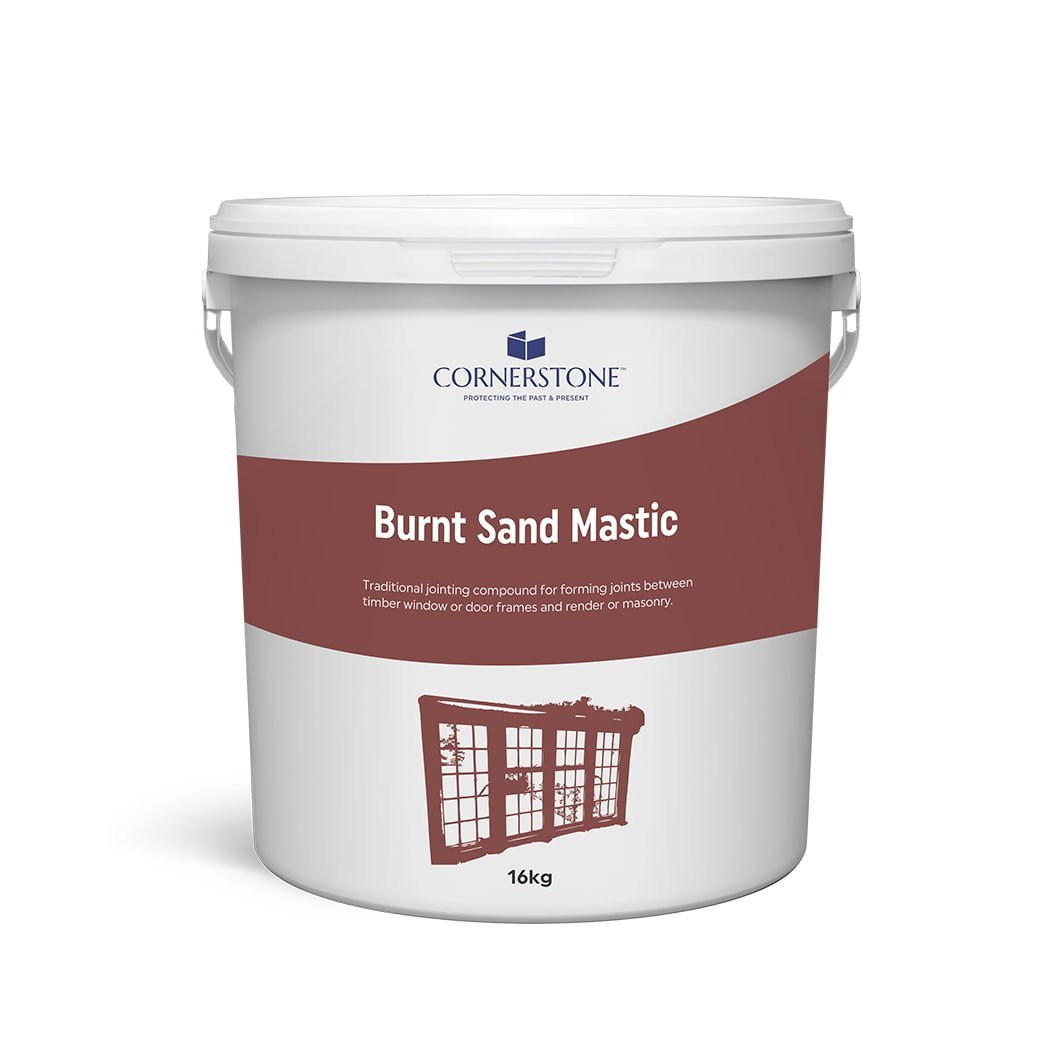
Look for issues as they arise and tackle repairs straightaway. Keep an eye out for structural movement, cracks, gaps and indications of moisture. Traditional windows were often paired with lime mortar and sometimes a mastic to join the window and render. Filling with a traditional mastic might be beneficial if you see gaps between your window and masonry.
Indications of moisture penetration can vary between wooden and metal windows, but in general, look for signs of corrosion, rusting, rot, peeling paint or issues opening or closing the windows.
Shop Cornerstone Burnt Sand Mastic
Indications of moisture penetration can vary between wooden and metal windows, but in general, look for signs of corrosion, rusting, rot, peeling paint or issues opening or closing the windows.
3: Reduce indoor humidity
The first step to preventing condensation on your windows is to reduce the indoor humidity. If your building is a traditional solid-walled building, it’s worth taking a moment to imagine how the building was originally used.
Historically, open fires and draughty windows or doors provided ventilation. Further, the things we do inside have significantly changed over the years. We now generate considerably more moisture using contemporary conveniences such as washing machines, tumble dryers, showers, and even kettles. Plus, technology and energy advances have changed how we heat and retain heat. Below are few options for reducing indoor humidity.
Improve ventilation by opening windows
Proper ventilation and air circulation in buildings is essential for maintaining healthy living environments. However, as windows and doors become increasingly draught-proof and buildings more energy-efficient, the movement of fresh air from outdoors is significantly reduced. Where you can, open windows regularly, especially when cooking and showering. This will help release the warm air and prevent it from condensing on the glass.
If you can, open a window a crack during these activities and then close it again once you’re done. This will help regulate the air temperature even more and reduce condensation.
Remove excess moisture with extractor fans
Similarly, areas prone to moisture can often benefit from extractor fans. Always use extrusion when bathing or showering, and ensure the cooker hood extraction is on when making meals. If you already have extractor fans, check they are clean and unblocked to be their most effective.
Remove excess moisture with a dehumidifier
Lastly, you can opt for condensation-absorbing products like moisture absorbers or dehumidifiers to reduce humid air in your home. While results will vary depending on the device, these tools can help reduce excess moisture in the air. It’s important to note that while a dehumidifier won’t completely solve a damp problem, it can significantly help manage moisture levels in particular rooms of concern and reduce musty odours often caused by mould and mildew.
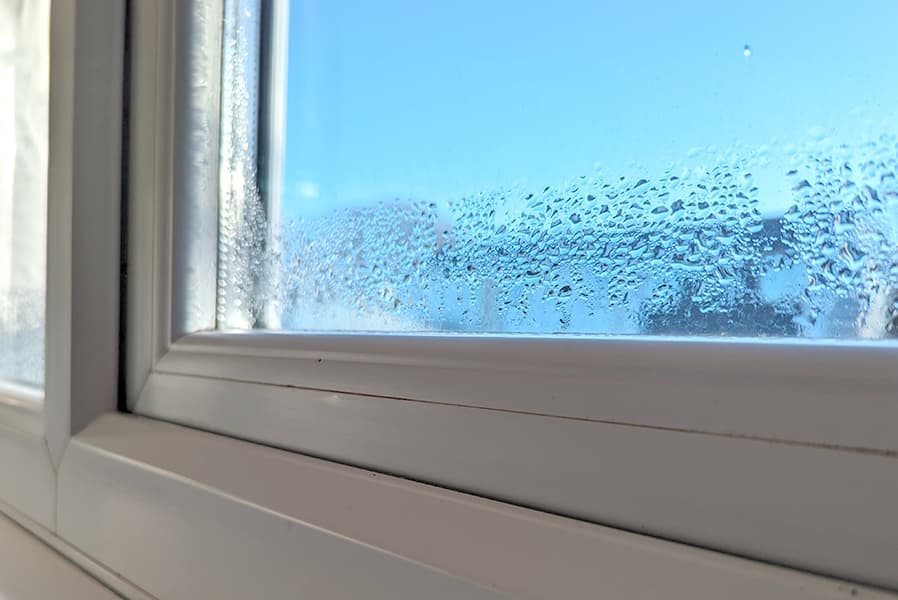
4: Wipe away condensation as soon as you can
Take care of condensation on your windows as soon as you notice it. While it might be tempting to let it go, allowing moisture to remain on the window frames can lead to the development of mould and mildew, neither of which are great for a healthy environment. Further, wooden window frames can suffer from warping and rot, attracting insects you might not want to share your space with.
5: Consider trickle vents
While not the most comprehensive ventilation solution, trickle vents can help reduce humidity and keep condensation at a minimum.
Available in various materials, including timber, UPVC, steel, and aluminium, trickle vents are designed to allow a small amount of background air into the space. They can be installed as part of new windows or retrofitted and are a common approach to improving ventilation in traditional properties.
In 2022, the Building Regulations Approved Document Part F was updated to guide on improving ventilation and preventing issues that can arise by installing other energy-efficiency measures. As a result, when windows are being replaced, they may require a background ventilator or “trickle vent”. Some exemptions exist, so look into the rules for listed buildings or conservation areas if this applies to your building.
6: Consider double glazing windows
In historic buildings, we typically advise considering repairs first before proceeding straight into replacement, especially when pairing contemporary approaches with traditional buildings. However, double glazing might be worth considering if issues with condensation, damp or uncomfortable internal conditions persist.
Double glazing refers to windows made with two panes of glass separated by a small gap, typically filled with air or gas, which serves as an insulator. These panes are sealed to form an airtight space to reduce heat transfer across a part of the building envelope. As a result, less heat is lost during winter, reducing the need to turn up the thermostat and vice versa for summer.
With a wide range of styles on the market, which might work best for your property will vary. It’s important to note that switching to double-glazed windows will also impact the character of your building, as contemporary windows will not match the period or architectural style of the building.
If your building is listed, you should check what is possible before investing. Owning a listed building comes with additional rules and guidelines that must be followed when planning any changes or improvements to the property. Historic England has put together an in-depth guide on modifying or retrofitting traditional windows.
Summing it up
All in all, there are multiple steps you can take to reduce window condensation in the cooler months. Whether you need to reduce indoor humidity levels or invest in double glazing, there are plenty of ways to help keep your windows free from mould and unnecessary damage.
In tricky moisture-prone areas, including a dehumidifier can be an excellent addition to the room when windows need to remain shut.